


This post may contain affiliate links. We may receive a small commission, at no cost to you, if you make a purchase. Read Disclosure.
Crete is a myth-stical island (see what I did there?) in Greece where gods were born, empires came and went, and lunch can last longer than a Minoan dynasty.
It’s an island that refuses to be reduced to a single postcard, because there are so many things to do in Crete, it’s becoming one of Europe’s most sought-after destinations.
Expect wild mountains, deep gorges, louder opinions about olive oil, balmy beaches, and plenty of natural beauty. One moment you’re wandering through the labyrinthine of ancient ruins of Knossos, the next, you’re ankle-deep in pink sand at Elafonissi. Between those moments lie secret coves, charming villages , and goat paths through gorges.
Whether you’re here to hike, swim, feast, or philosophise (preferably all four), don’t miss these unmissable attractions in Crete.
1. Discover Crete’s past in the Minoan Palace of Knossos
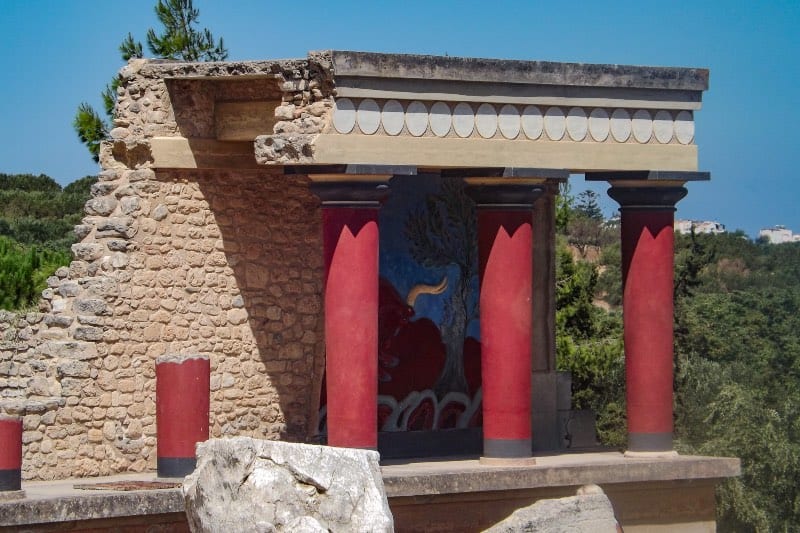
The second most visited archaeological site in Greece (after the Acropolis in Athens), is the Knossos Palace. Knossos is Europe’s oldest city and was home to the mysterious Minoan civilization that lived on the island thousands of years ago. The palace was home to King Minos, and though much of the city is in ruins today, you can still see the remnants of buildings and roads and the grandeur of the palace.
According to Greek Mythology, the palace was home to the famous labyrinth of the Minotaur.
Due to its popularity, the palace can be jammed in any given season. For this reason, it’s a good idea to visit early in the morning or at sunset, this way you won’t only avoid the crowds but the scorching sun of the island. You can easily reach the archaeological site by bus from the center of Heraklion (bus number 2).
2. Check out the Capital, Heraklion Archaeological Museum
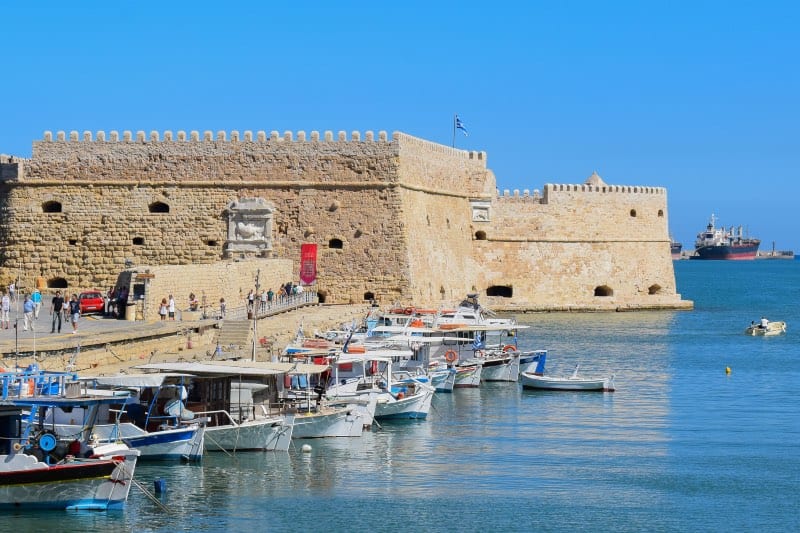
Since you’re already in Heraklion, check out the landmarks in town. Start with a stroll along the old port to reach the Koules, the magnificent Venetian Fortress that stands opposite the Mediterranean sea.
Then, move towards the center of town, walking along 25 of August Street. It will take you only a few minutes to get to the busy Liontaria Square. Here, stop for a cup of Greek coffee and try one of Crete’s delicious pastries, bougatsa. Bougatsa can be filled with goat cheese or custard, and it’s delicious with a drizzle of local honey on top.
Also in the area, pay a visit to Saint Titus, a former mosque transformed into a church when the Ottoman Empire ceased its rule on the island.
3. Go back in time in the Hippie Caves of Matala
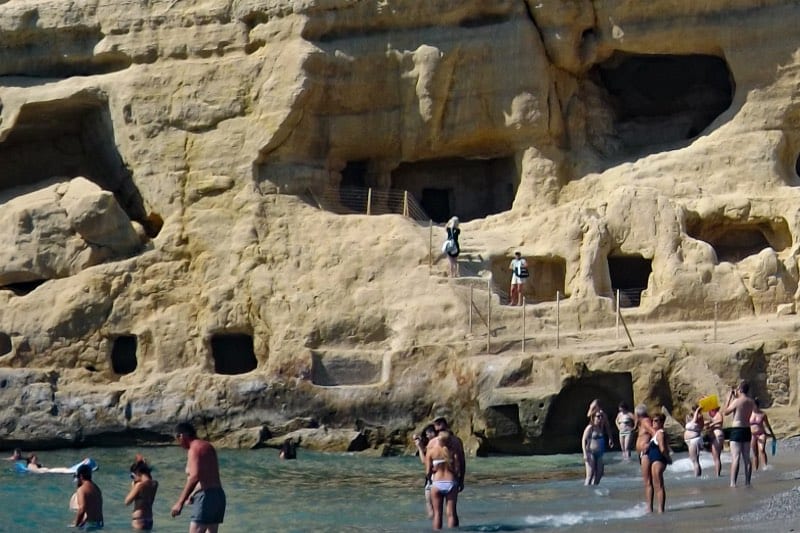
If you drive south from Heraklion, you will be able to spend a day at the fantastic beach of Matala, which is known for its caves where a huge community of hippies used to live during the seventies.
If you’re in the mood for a hike, follow the signs until you reach Red Beach, about 20 minutes from Matala. This is a hidden naturist beach with reddish sand and pristine waters. It’s also a great spot for snorkeling.
4. Explore the alleys in the Old Town of Chania
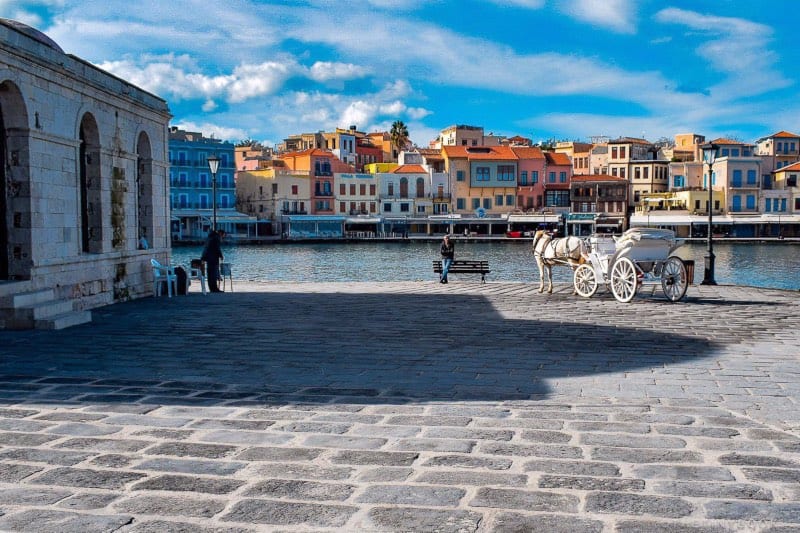
Arguably one of Crete’s most beautiful cities, Chania is on the northern coast of Crete, about 2.5 hours from Heraklion. Chania boasts a magnificent old town with cobblestone pedestrian alleys, unique Venetian mansions, and a stunning old port with one of the oldest lighthouses in the world.
Among the best things to do in Chania, don’t miss a visit to the mosque of the Janissaries, the old Jewish quarter and its 15-century synagogue, or the church of Agios Nikolaos.
Agios Nikolaos is a very peculiar church. Inside its courtyard, it’s possible to see not only a bell tower but also a minaret. In fact, during the Ottoman rule of the island, most religious buildings in town were transformed into mosques.
5. Spend a day on the Pink Sand Beach of Elafonisi Beach
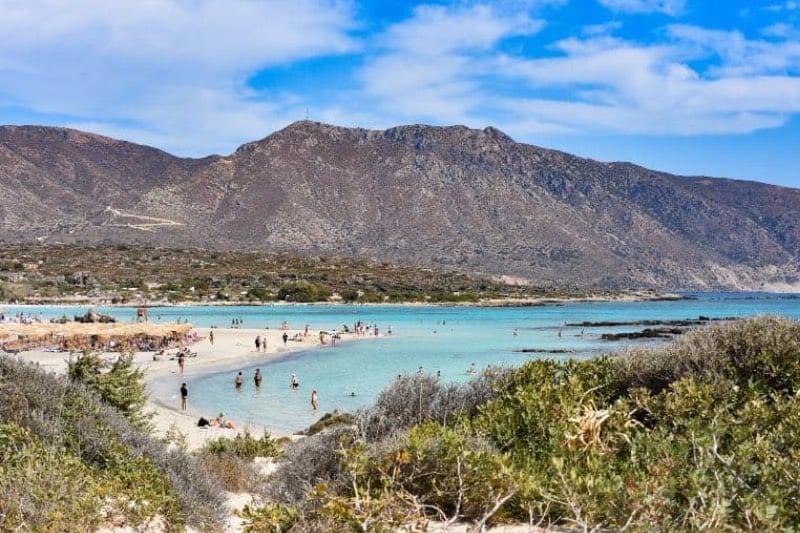
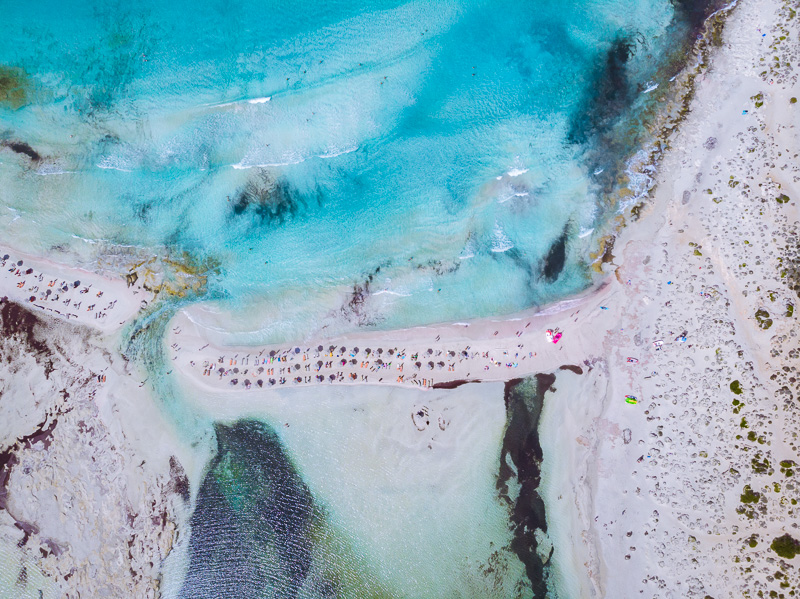
Elafonisi is a magnificent wide shore on the Southwest coast of Crete. To get to Elafonisi beach you can travel by bus from Chania (ticket €9.00) or drive through the spectacular gorge of Topolia. The shores of Elafonisi are known for the unique pink sand as well as for the shallow lagoon, ideal for families with kids.
The shades of blue of the sea are simply stunning and contrast with the harsh mountainous landscape of the island. Elafonisi is in a rather isolated area, there are a few beach bars where you can get the basics, but it’s always a good idea to pack enough drinks and lunch.
6. Trek along one of Europe’s longest gorges: Samaria Gorge National Park

Outdoor adventures have a place of their own on Crete. There are impressive mountain ranges on the island with peaks reaching more than 2000 meters.The region of Chania is home to the White Mountains, which counts over 15 impressive ravines.
The most famous of them, the Gorge of Samaria, connects the Omalos plateau, in the north of Crete to the Agia Roumeli, a small village on the southern coast of the island, on the Libyan sea.
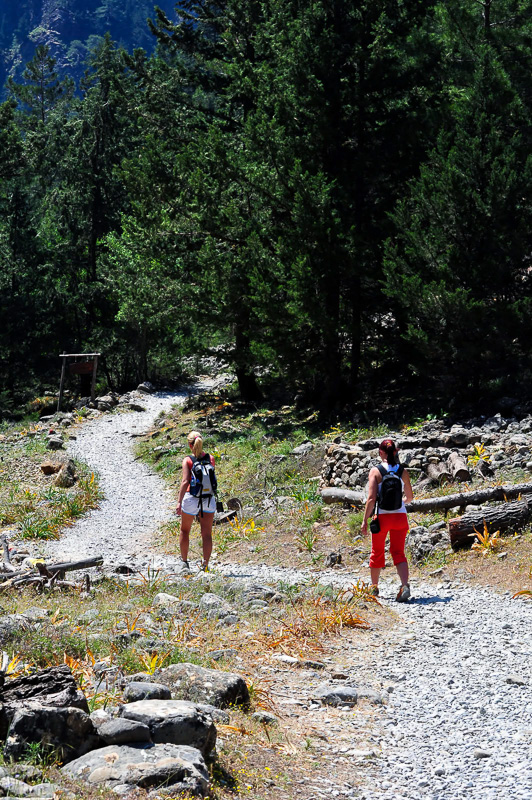
If you love hiking, be sure to check out the Samaria Gorge hike. The 9.0-mile point-to-point trail goes from near Lakki, Crete and finishes in Agia Roumeli. It’s a stunning trail with impressive vistas and lush scenery. You hike through the center of the gorge and are surrounded by dramatic limestone cliffs, lush greenery and even pass by a river.
It’s a difficult hike and can take 14 hours to get from one side to the other, though many people just hike a section of it before turning back.
It’s one of Crete’s most popular attractions, with thousands of tourists visiting each summer. Samaria Gorge is on our list of things to do in Greece with teens.
Top tip: If you’re not a seasoned hiker, it’s a good idea to book an organized tour.
7. Hike to Balos Lagoon and Beach
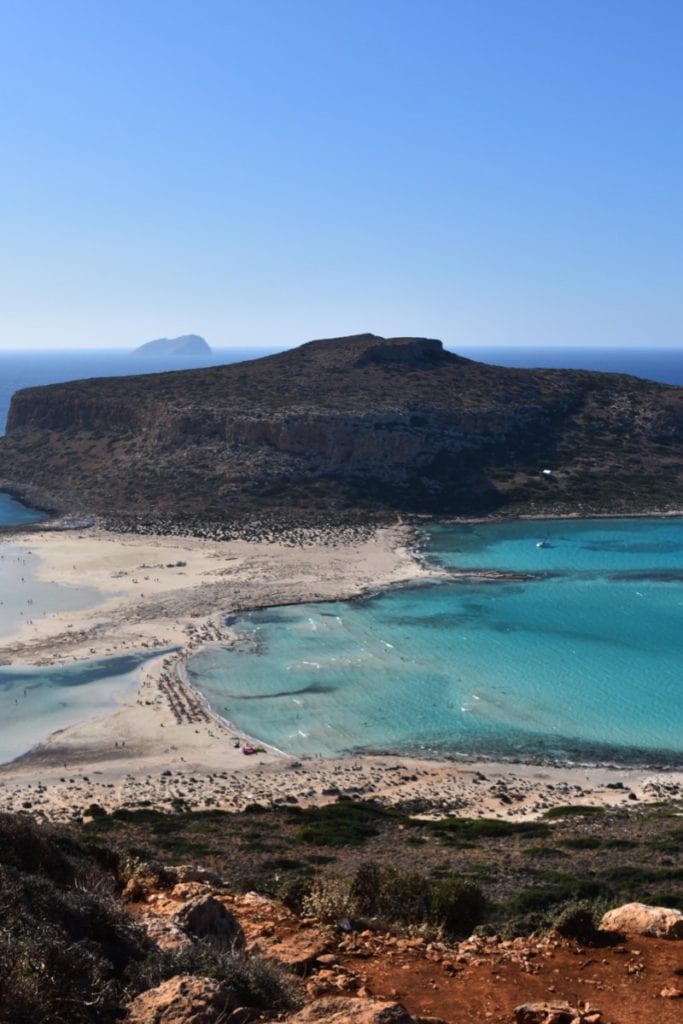
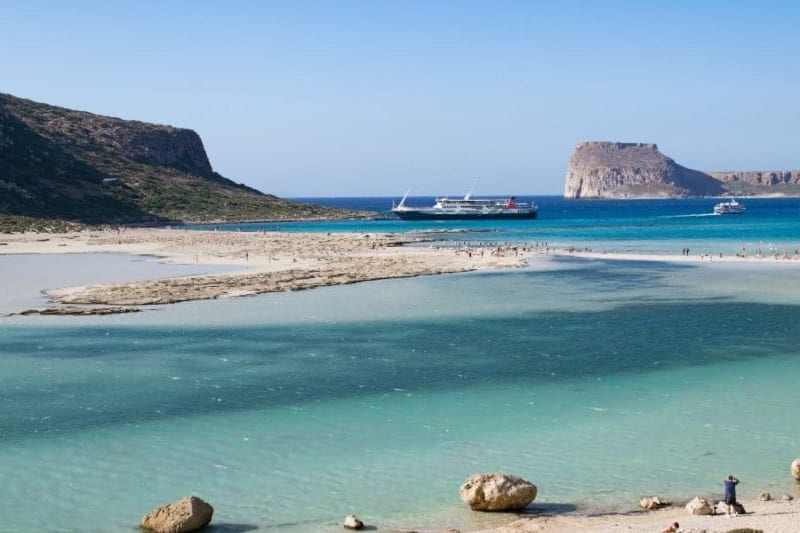
The exotic beach of Balos, on the extreme west of the island, is not to be missed. The beach has often been described as Crete’s Caribbean and for good reason. The white sand and unique emerald color of the sea give the lagoon an exotic feeling.
However, a trip to Balos is not only about the beach. The trip also includes a drive along an infamous dirt road on the edge of a cliff, as well as a 20-minute hike which can be very tiring in summer.
However, no matter how difficult the road might be, it’s one of my favorite things to do on the island. The views of the calm, shallow lagoon are a great reward once you leave the road behind.
8. Take an insane road trip in the mountains
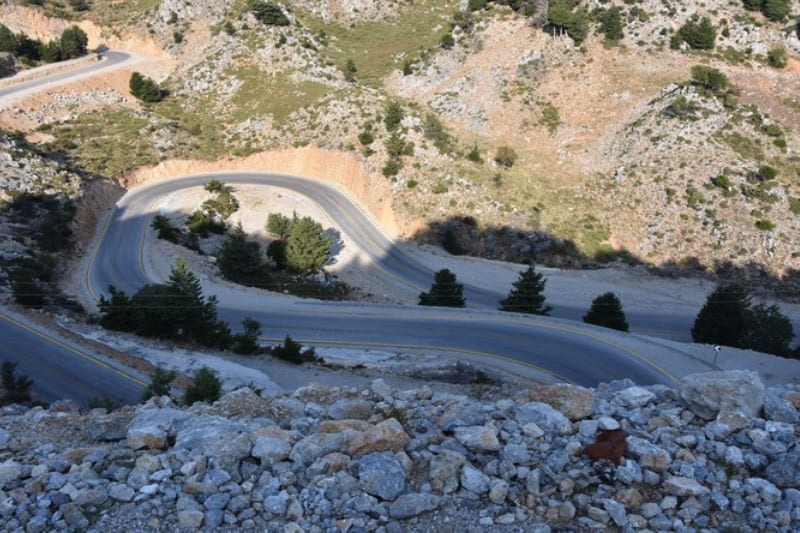
There are several impressive drives all over the island. If you enjoy winding mountain roads and breathtaking cliffs, driving on Crete can be a great experience. Some of the most scenic drives are the ones that take you from the north of Crete to the south, passing through a very rugged landscape.
The road between the villages of Kapsodasos and Kallikratis, for example, is considered to be one of the most dangerous roads in the world, with 11 kilometers of continuous hairpin turns with a precipitous descent towards the sea. Avoid it if you suffer from vertigo!
9. Indulge in Cretan gastronomy
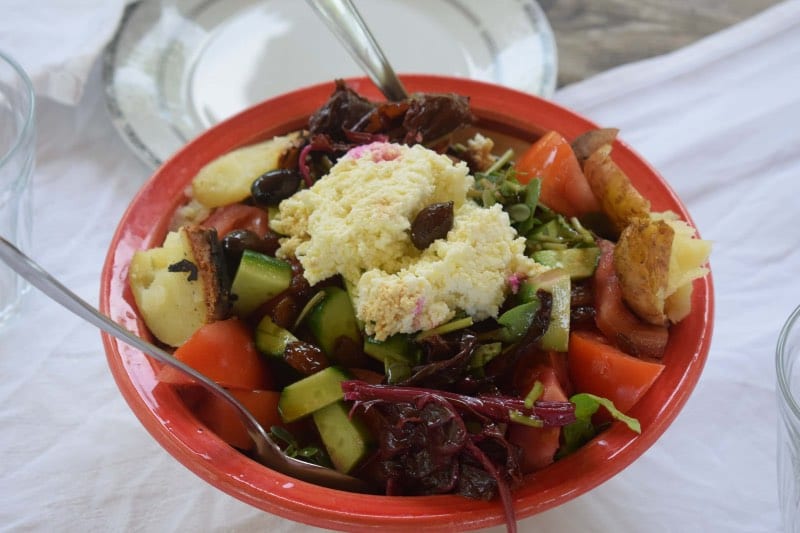
Crete is a paradise for foodies! Crete’s food mostly consists of fresh seasonal products, that produce simple and healthy tasty dishes.
The top-quality extra virgin olive oil produced on Crete is the main staple of local gastronomy. It is used on salads, to cook and bake, and even on freshly baked bread as a quick bite, with some fresh oregano on top, and a sprinkle of sea salt.
Despite being an island, however, stewed or grilled goat and lamb are far more popular than fish. Other local delicacies include cheese, both aged and soft, honey, and a variety of greens and fruits such as grapes, figs, and oranges.
10. Taste Crete’s olive oil in a monastery
Crete is the second biggest producer of olive oil in Greece. The island has more than 30 million olive trees, some of them over 3,000 years old.
There are two main olive tree varieties growing on the island and they produce very small olives that are able to stand the dry, hot summers of Crete. The taste of the local olive oil is very concentrated, fruity, and sometimes even spicy.
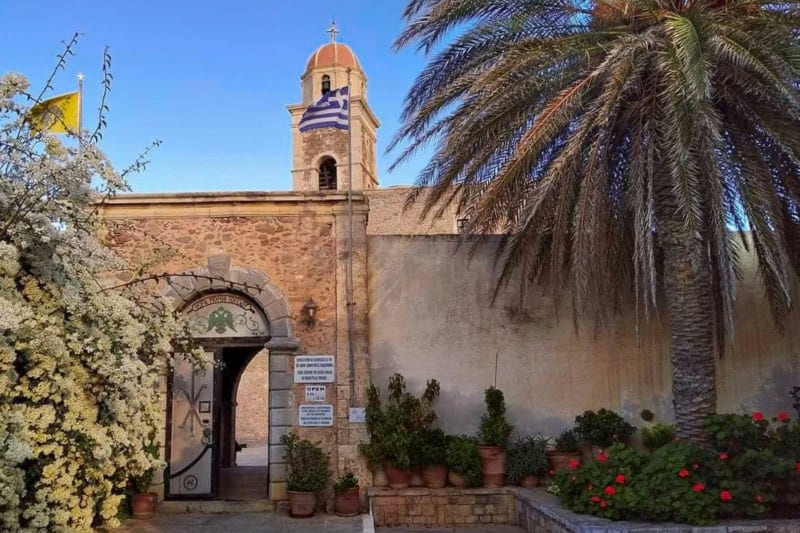
Some of the best olive oil comes from the local monasteries. In the region of Lasithi (east Crete), Toplou monastery produces some of the best quality olive oil in Greece. If you’re staying on the west coast, instead, you can taste authentic Cretan olive oil in the ancient monastery of Agia Triada.
11. Snap a selfie above Seitan Limania Beach
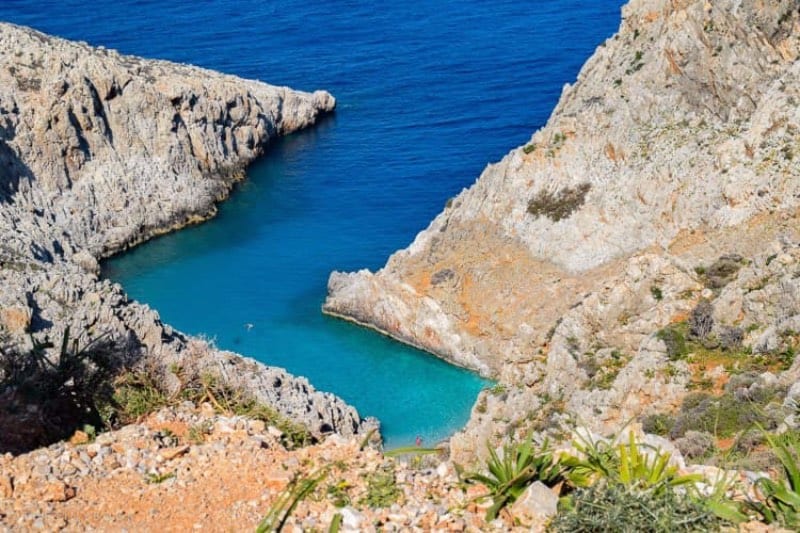
The lightning-bolt shape of Seitan Limania put this beach on Instagram not so long ago and made it the most famous place in Crete. Seitan Limania is a beach with fairly difficult access that involves a zigzag road and a hike down a steep hill.
The beach is not organized, so it’s better to take with you everything you need to spend the day. Remember that the cove is subject to strong currents so it’s not always safe for unskilled swimmers.
12. Test your dancing skills with Pentozali
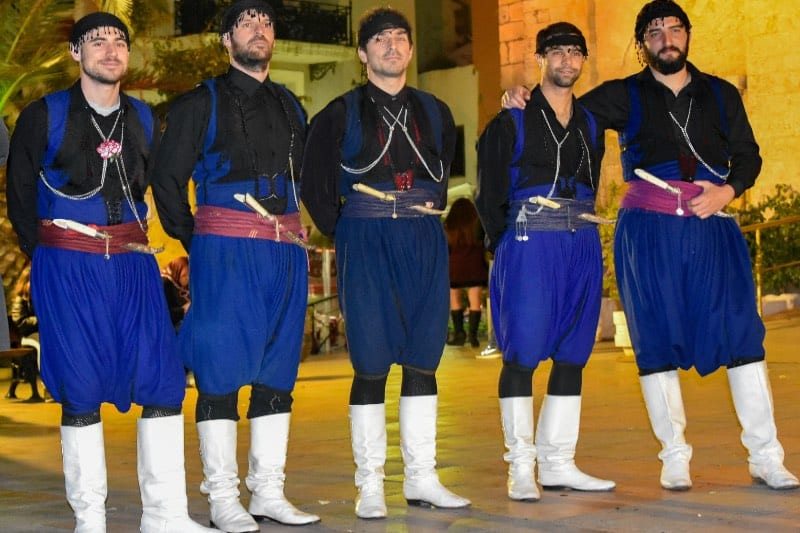
Crete is a land where customs and traditions are pretty much alive, and dancing is one of the things that locals and visitors alike enjoy the most in Crete.
Pentozali is the traditional Cretan dance that you can witness during festivals and local celebrations all over the island.
Despite pentozali literally meaning “five steps”, the dance is a combination of 10 different steps in which different dancers take turns to put their skills to the test with jumps and complex figures that follow the rhythm of the Cretan Lyra, an ancient musical instrument with Byzantine origins.
13. Learn about the leper colony of Spinalonga Island
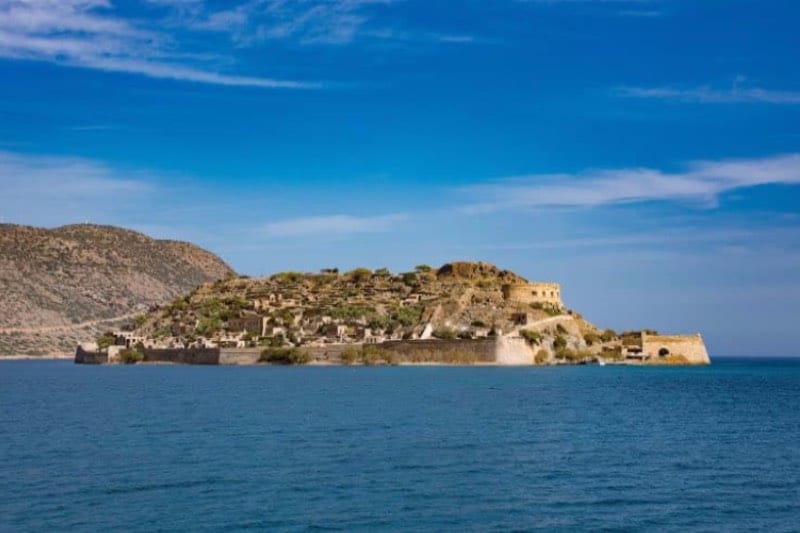
There are a plenty of things to do on the east of the island. Close to the city of Agios Nikolaos, it’s possible to visit the island of Spinalonga. This small, fortified island can be visited in less than an hour and it’s well-known for its turbulent past as one of the last leper colonies of Greece, which closed its doors in 1957 when a cure for leprosy was discovered.
Today, you can take a boat ride from the seaside village of Plaka and discover the Venetian fortifications of Spinalonga. As you pass the entrance tunnel, you’ll discover the world where the patients lived an isolated but prosperous life. Their shops, their abandoned houses with gardens, the churches, and the hospital of Spinalonga still remain, surrounded by terraces of olive groves and fortified by stone walls.
14. Get lost in the Old Town of Rethymnon
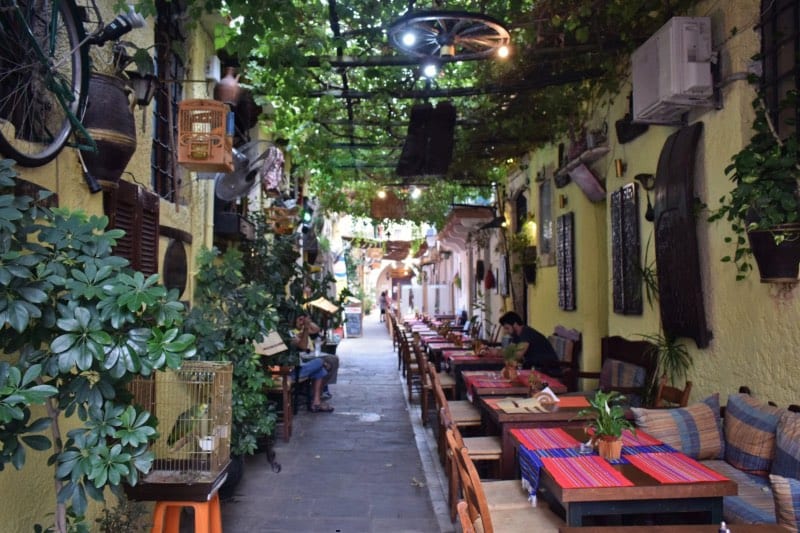
Rethymnon is an important city of Crete, located between the regions of Chania and Heraklion. Probably the best-preserved Venetian city on Crete, the old town of Rethymnon has a charming old port with a lighthouse and several tavernas lining the promenade.
In the old town, you can visit some of the most impressive minarets of Crete, beautiful mansions with Turkish balconies, and the remains of the star-shaped Venetian fortress or Fortezza, located on top of a hill overlooking the sea of Crete.
Rethymnon has several interesting museums, such as the Archaeological Museum and the Historical and Folklore Museum where it’s possible to learn about traditional local crafts, such as pottery and embroidery.
15. Spend the night in a mountain village
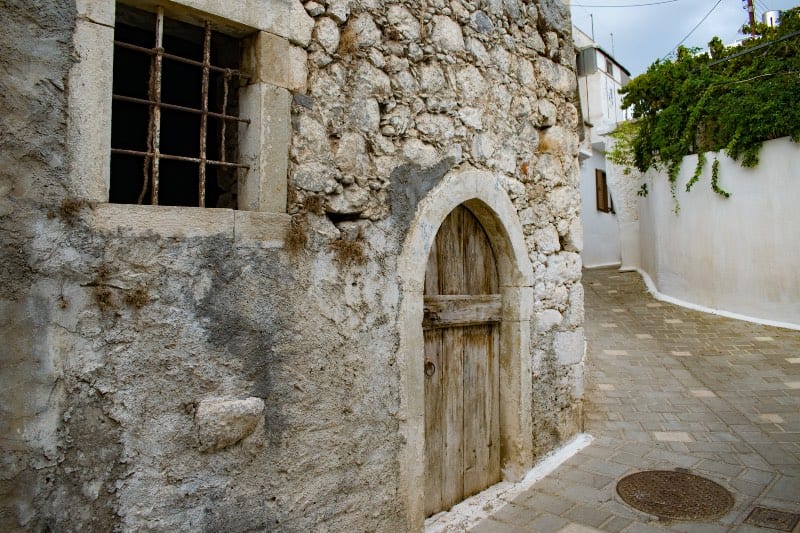
Those who want to experience an authentic Crete destination full of charm, should not miss a trip to any mountain village on the island. The most traditional villages are known for different reasons, some have played an important role in the battles for the liberation of the island, while others produce unique crafts or staple products.
One thing is certain, though, time seems to have stopped still. Life is very simple in the mountains, and there’s nothing like one of these villages for those wanting to relax during their Cretan holiday.
16. Visit the Historic Arkadi Monastery
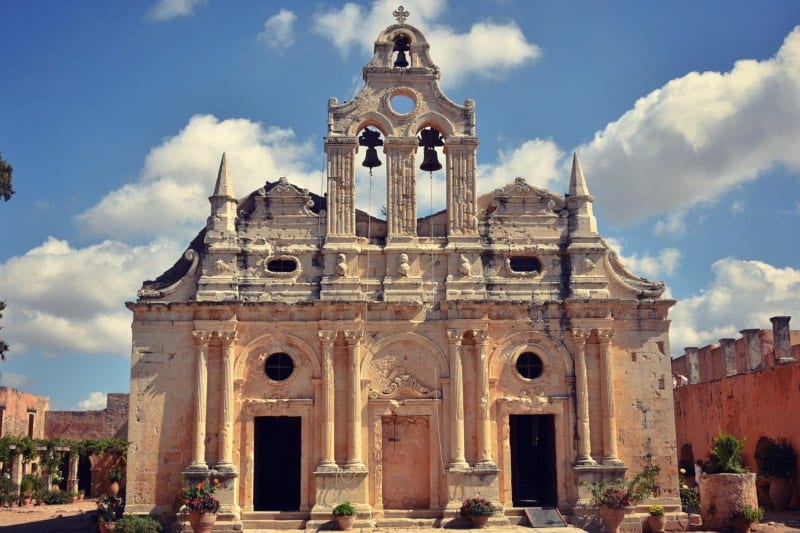
The most famous monastery of Crete is Moni Arkadi, in the region of Rethymnon. It’s a beautiful fortified building, with a baroque church and gorgeous gardens.
Back in 1866 hundreds of locals sought refuge from the Turks inside the monastery but after weeks of siege, they decided to commit suicide instead of surrendering.
This event played a key role in the final liberation from over 200 years of Turkish occupation of the island, leading to Crete’s unification with Greece. Today, traces of that battle are still visible in the walls of Arkadi. Yet, despite its tragic past, this is one of the most beautiful and peaceful buildings you can see on Crete Island.
17. Sail to one of Crete’s smaller islands
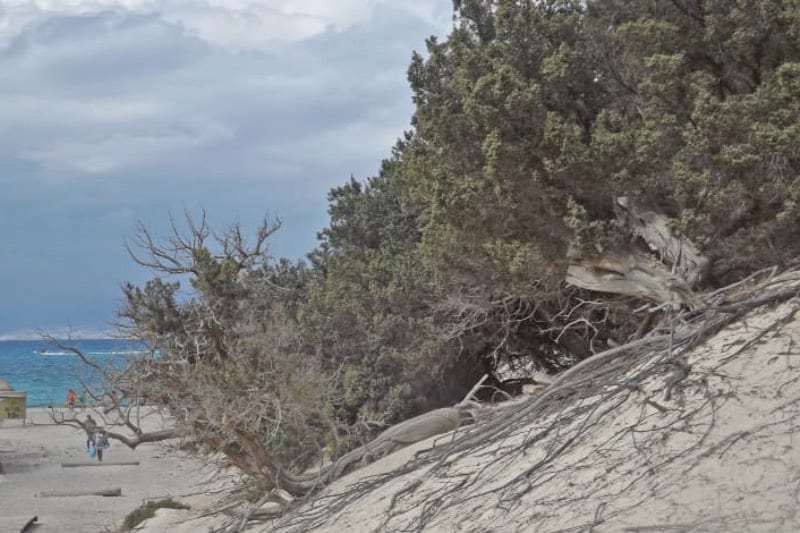
There are a few beautiful islands surrounding the coast of Crete. If you’re staying in the region of Lasithi, it’s possible to take a boat trip and sail to the uninhabited island of Chrissi. Also known as Gaidoruronisi or the island of the donkeys, Chrissi is a very small island off the southern coast of Crete, on the Libyan sea, just an hour away from the coastal city of Ierapetra.
Chrissi island hosts Europe’s largest juniper tree forest, a rare tree often confused with cedars. It’s a protected reserve, no more than 2 km wide and 7 km long. There are a few different bays, the closest to the pier is Chrissi Ammos, however, it’s usually crowded with daytime visitors arriving from Crete.
For a more isolated experience, head to the east of Chrissi Ammos. Here, the small beach of Kataprosopo is a perfect spot for snorkeling and it’s usually deserted. Remember that it’s not possible to spend the night in Chrissi, there are no hotels, shops, or anything! A few canteens sell food and drinks on the beach but they are quite overpriced. It’s not a bad idea to pack a light lunch for the day.
The boats to Chrissi depart daily from the port of Ierapetra if the weather conditions allow. If you really want to visit this deserted island, it’s wise to book more than one night in Ierapetra, just in case you encounter strong winds and the boat to Chrissi is canceled for the day.
18. Drive around the Lasithi Plateau
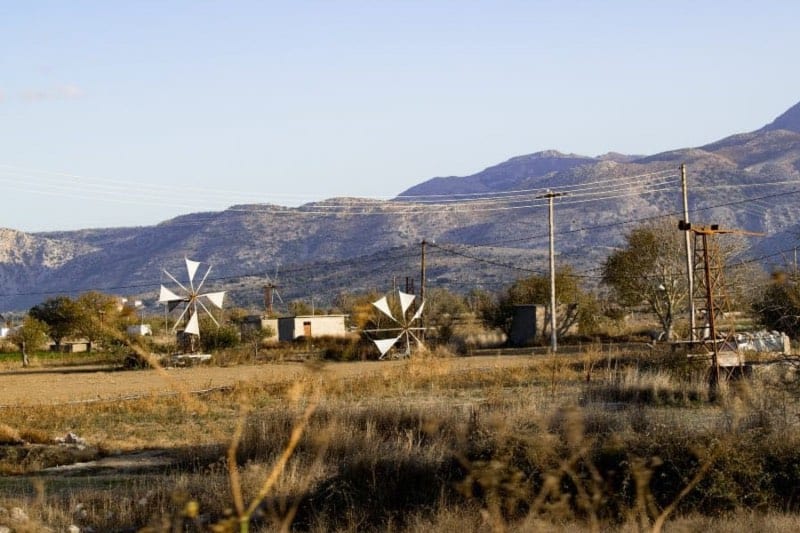
The 23 km road that circles the Lasithi Plateau is a fantastic drive that you can enjoy during your Crete vacation. The plateau stands about 805 meters above sea level and has great views of the mountains and the fertile plain below.
When driving around the area, it’s a good idea to discover any of the 18 villages of the plateau, one of the most famous is Psychro, known for the magnificent Cave of Zeus.
According to the myth, this is the place where the God Zeus, born on the island, was raised by a goat while his mother was trying to hide him from his father, Chronos. The cave is made of several chambers with beautiful columns of stalactites and stalagmites. According to research, this is one of the many ancient Minoan places of worship of Crete. Here, archaeologists have found religious figures and other objects connected with ancient religious rituals.
19. Go wine tasting in one of Crete’s wineries
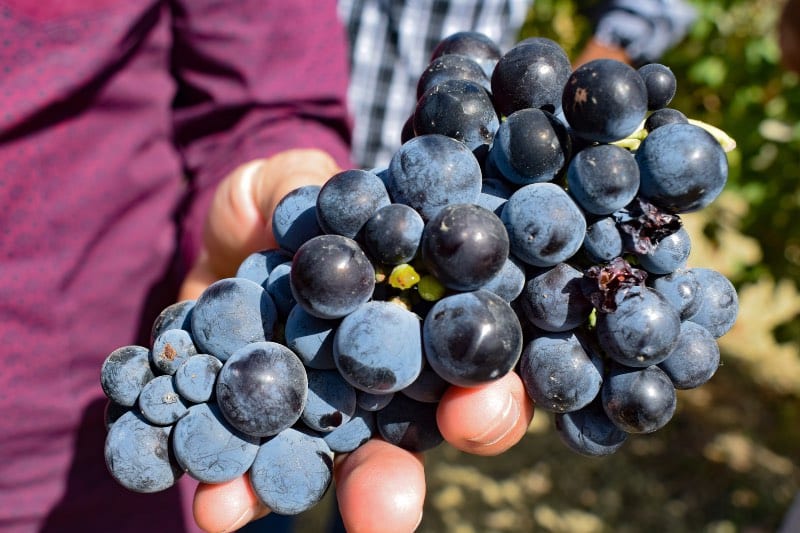
When you visit Crete, you cannot leave the island without first tasting one of the 13 unique grape varieties of the local vineyard. A very old wine press found in the wine region of Heraklion proves the island’s long history in winemaking, an industry continuously active since at least as far back as the Bronze Age.
Today, there are over 35 wineries open to the public where you can taste the wines of Crete. If you love reds, go for the kotsifali and the liatiko varieties. If you prefer the whites, instead, definitely try the vidiano variety, one of the oldest white grapes, known as the rising star of the local varieties.
20. Drink a shot of Tsikoudia
Not everything is wine on Crete! Tsikoudia, also known as raki, is Crete’s most popular drink and a clear expression of local hospitality. Even if you’re not so much into strong drinks, chances are that you will experience everything about raki from day one on the island.
Raki is a local distillate, with a rather high alcoholic gradation (about 45 degrees), served in any given restaurant or taverna as a complimentary treat at the end of every meal.
It’s usually paired with fresh fruit or a small dish of yogurt and honey, also on the house, and it’s the perfect excuse to learn your first words in Greek (Gia mas! Or Cheers!), make a toast, and engage in friendly conversation.
21. Take a day trip to Santorini
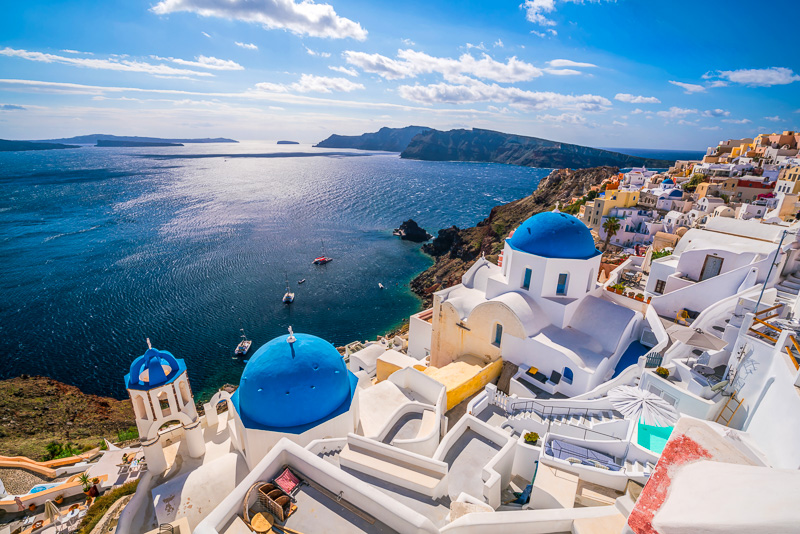
Since most of Greece is made up of islands, you’ll find ferries operate regularly to many of the nearby islands. If you have time and have seen all the other top attractions, a day trip to nearby Santorini is a great way to spend a day.
Santorini, which is famous for its sunsets and romantic atmosphere, also has beautiful winding streets lined with whitewashed buildings with iconic blue roofs, and there are views of the ocean from every corner.
It takes two hours by ferry to get from Crete to Santorini. From Santorini, it’s easy to get to the Greek island of Mykonos, in case you plan on doing any more island hopping on your vacation.
READ MORE: Greek Islands you don’t want to miss
22. Hit the bars in Malia
Malia is a stunning, coastal town with a harbor and boutique shops.
In the day, it’s quiet and cosy, but at night, it comes to life with vibrant bars, clubs and live music venues. You’ll find the nightlife scene on The Malia strip to be pretty crazy, and it’s not for everyone.
It’s a popular place to visit for university students, bachelor and bachelorette parties, and anyone looking to go wild.
23. Wander around the Venetian Harbor of Rethymno
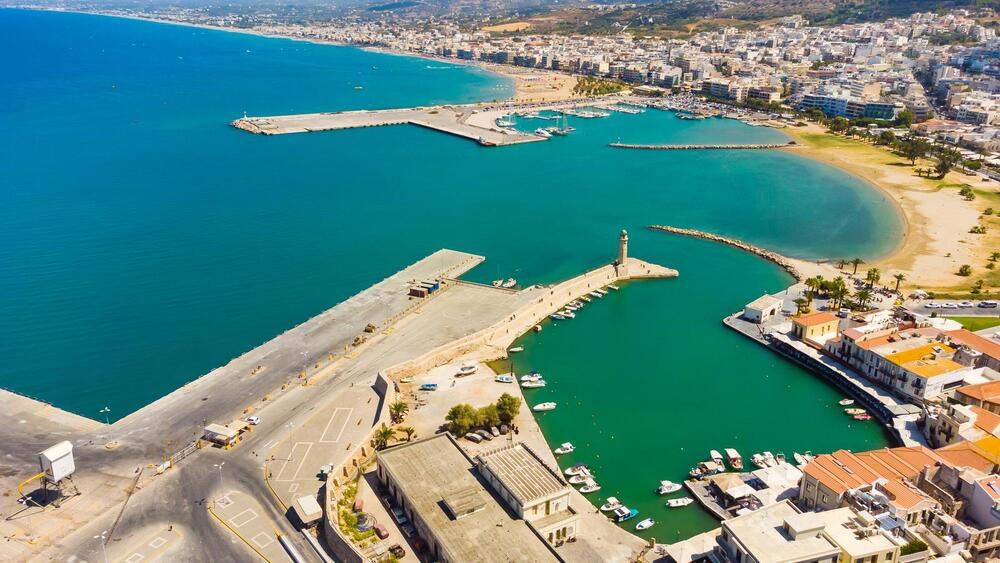
Another historic town in Crete is Rethymno, which is known for its harbor and lighthouse. The old harbour of Rethymno, known as the Venetian Harbor because of the town’s trade business with the Venetians, is a quaint, ancient harbor in northern Crete. The harbor circles around a bay filled with small fishing boats. You’ll find many restaurants with al fresco dining here, and it’s my favorite place to visit for sunset.
At the end of the harbor is Rethymno Lighthouse, which was built in the 1830s. Be sure to check out the rest of the Old Town of Rethymno while you’re there. At the hilltop is Fortezza, a star-shaped, 16th-century citadel that offers incredible views of the city.
Around the town, you’ll find many boutique stores selling local crafts like textiles and ceramics.
24. Find the Birthplace of Zeus
Crete is well known for being the birthplace of Zeus, the God of Thunder and the Sky in Greek mythology. Zeus is the god of all gods and ruled as the King of Mount Olympus. Though the exact location of Zeus’s birth has been under debate, it is thought to have been one of two caves in the mountains of Crete.
The Ideon Cave, which is located on the tallest mountain in Crete is one of the thought-to-be locations. The second is The Dikteon Cave, on Crete’s southern coast. Both caves are pretty incredible and have impressive rock formations and caverns.
Where to stay in Crete
Crete has many cool towns that make for an ideal base for exploring. From buzzing harbour cities to blink-and-you’ll-miss-them villages, there’s a base for every travel style.
Most people choose to stay in Chania for their first visit. Its Venetian harbour is endlessly photogenic, the Old Town a tangle of lanes lined with boutique hotels, restored mansions and atmospheric guesthouses. Stay here for culture, cuisine and easy access to western Crete’s headline acts, including Balos Beach, Elafonissi Beach, and the Samaria Gorge.
A little smaller and calmer than Chania is Rethymno. The Old Town is rich with Ottoman and Venetian touches, while the long sandy beach runs right up to the edge of town. Stay here if you want character without the crowds.
Heraklion is Crete’s capital is often underestimated. It’s the gateway to Knossos, home to top-notch museums and a thriving local food scene. Accommodation ranges from smart city hotels to budget-friendly options.
For beaches and luxury, stay in Elounda & Plaka, which deliver postcard-ready seascapes, luxury resorts, tranquil coves and boat trips to Spinalonga. Stay here for honeymoon vibes.
You can browse accommodation options in the following interactive map:
Best time to visit Crete
Crete has very long, hot, and dry summers, while winters tend to be short with mild temperatures. Some regions have very little rain during the year. The best time to visit is in the shoulder seasons of October and November and April and May.
Getting around Crete
Crete is the biggest island in Greece, it can take you from 4 to 6 hours to travel from the west coast to the east. The island is divided into four different regions; Chania, Rethymnon, Heraklion, and Lasithi, all of them worth seeing.
The best way to get around is to rent a car and drive yourself, or book tours from your hotel. The best way to visit such a big island is to travel by car. Driving on Crete is fairly easy if you follow some basic rules – drive on the right, be careful on narrow, winding roads, and look out for local driving habits like using the shoulder as a passing lane and using headlight flashes as warnings.
Public transport exists, but it runs on Greek time (slow and whenever it feels like it), so having your own car allows you more flexibility.
How many days in Crete is enough?
We recommend you spend at least a week in Crete to really see it all. If you don’t have that much time, then 5 days is a good enough amount of time to visit Crete to see the main attractions and sights.
Final thoughts
Crete is an island for the curious, not just the party crowds as it was once so famously known.
Follow your nose and you’ll discover bakeries perfumed with honey and thyme, and tavernas where you can indulge on meze all day if you wanted to.
One of the best things about Crete is not the attractions, but Cretans themselves. They are fiercely proud, effortlessly hospitable, and always have a story to tell.
We hope you fall in love with Crete and have the best time exploring this mystical island!
Looking for more travel ideas in Greece? Try these…
Pin To Save It On Pinterest
Original Article on yTravel Blog