


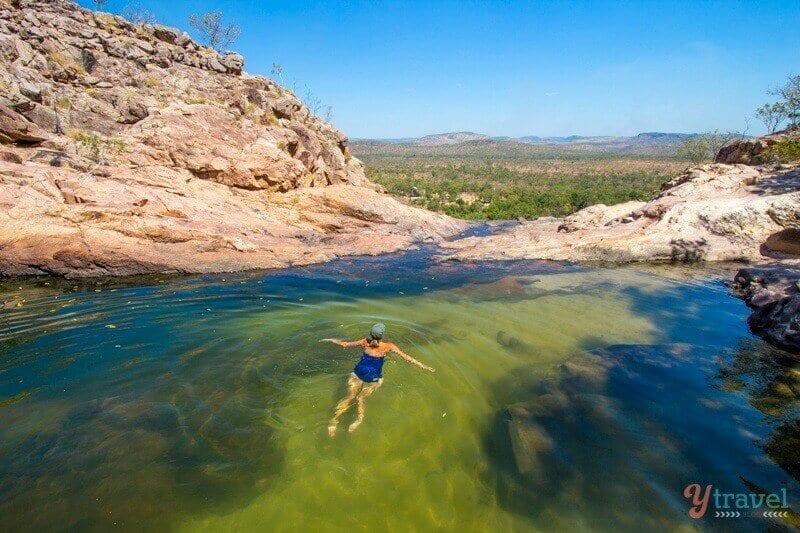
This post may contain affiliate links. We may receive a small commission, at no cost to you, if you make a purchase. Read Disclosure.
Australia doesn’t do subtle wilderness. Our national parks aren’t given national park status simply because they’re vast, they’re places that rearrange your sense of scale, make you question whether you’re still on planet Earth, and leave you mind-blown by the wonders of nature.
I know this because I grew up here — and then I left home just long enough to fall in love with it all over again. Eighteen months on a dusty road trip as a family, and we saw our fair share of national parks in Australia.
We chased the sun from the tropical thunder of the Top End to the brooding, buttoned-up forests of Tasmania to the red-dirt heartlands of the Red Centre and the wild coastlines of Western Australia. Somewhere between a corrugated outback track and a perfect, empty beach, Australia stopped being my home country and started being astonishing.
Many people ask us what Australian national parks they should add to their itinerary, so we’ve prepared this guide to our favourites. These are the most honest. No filters, no fences (well, not many), just raw geology, ancient stories, and wildlife that you won’t find anywhere else in the world.
Out of more than 500 national parks, these are the ones you cannot miss.
- 1. Freycinet National Park, Tasmania
- 2. Cradle Mountain Lake St Clair National Park, Tasmania
- 3. Wild Rivers National Park, Tasmania
- 4. Wilsons Promontory National Park, Victoria
- 5. Grampians National Park, Victoria
- 6. Great Otway National Park, Victoria
- 7. Port Campbell National Park, Victoria
- 8. Mount Kosciuszko National Park, New South Wales
- 9. Jervis Bay National Park, New South Wales
- 10. Booderee National Park, NSW
- 11. Murramarang National Park, NSW
- 12. Blue Mountains National Park, NSW
- 13. Royal National Park, NSW
- 14. Burleigh Head National Park, Queensland
- 15. Noosa National Park, Queensland
- 16. Great Sandy National Park, Queensland
- 17. Daintree National Park, Queensland
- 18. Great Barrier Reef, Queensland
- 19. Boodjamulla National Park, Queensland
- 20. Undara Volcanic National Park, Queensland
- 21. Whitsunday Islands National Park, Queensland
- 22. Carnarvon National Park, Queensland
- 23. Nitmiluk National Park, Northern Territory
- 24. Kakadu National Park, Northern Territory
- 25. Litchfield National Park, Northern Territory
- 26. Karijini National Park, Western Australia
- 27. Nambung National Park, Western Australia
- 28. Uluru-Kata Tjuta National Park, Northern Territory
- 29. Purnululu National Park, Northern Territory
- 30. Ikara-Flinders Ranges National Park, South Australia
- More Australia Travel Tips
- Pin To Save It On Pinterest
1. Freycinet National Park, Tasmania

Freycinet National Park is our favourite national park in Tasmania, and one of our top three in Australia.
Perched on the east coast, it’s one of Australia’s most photogenic wildernesses and combines a landscape made of pink granite peaks, turquoise bays, and pristine white-sand beaches.
It was established in 1916, making it one of Tasmania’s oldest national parks. It’s famous for Wineglass Bay, which connects to Hazards Beach. This curved crescent of powder-white sand and crystal-clear water is framed by the jagged granite peaks of The Hazards, which were formed over 400 million years ago.
With plenty of lovely walking trails, stunning beaches, granite peaks, and a beach consistently rated as one of the world’s best, what more could you ask? On good days, you may even see dolphins jumping in the ocean.
Don’t miss a chance to visit Honeymoon Bay and Friendly Beaches when exploring the national park – these beaches may not be as famous, but they are no less beautiful.
Read more:
2. Cradle Mountain Lake St Clair National Park, Tasmania
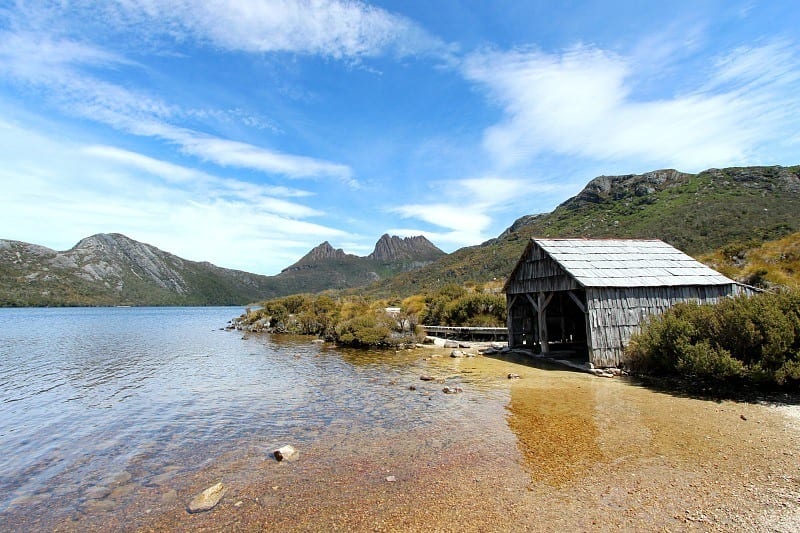
Cradle Mountain Lake St Clair National Park is home to the craggy Cradle Mountain, the most famous mountain on Tasmania nestled in the heart of the Tasmanian Wilderness World Heritage Area.
Located 165 km northwest of Hobart, this National Park attracts walkers from all over the world. We didn’t do a lot of the walks here as we had limited time, but when the kids are older we’d love to go back and do the famous Overland Track.
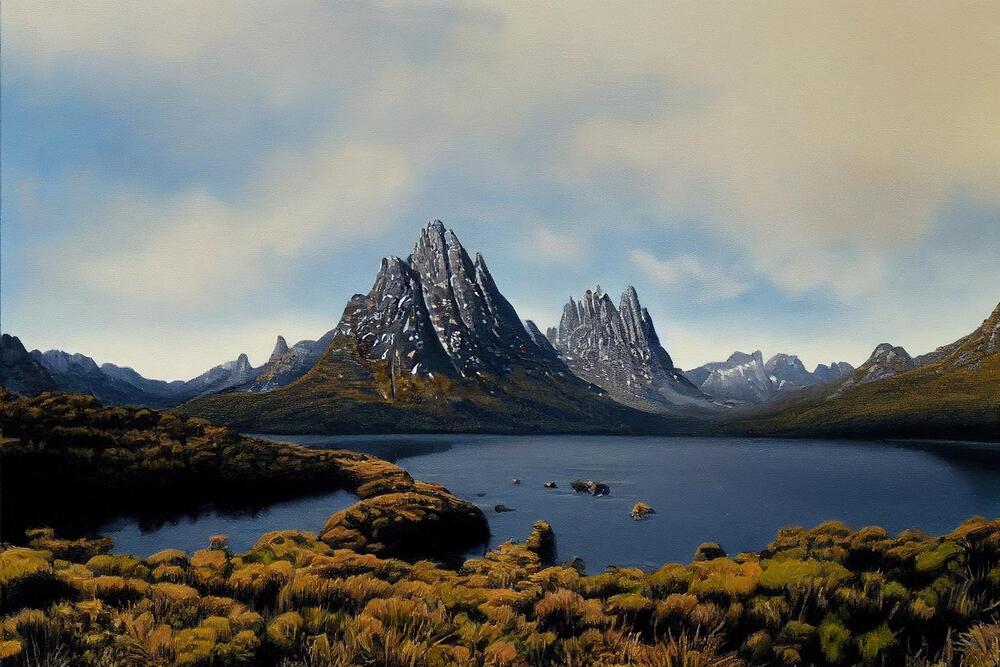
The park is known for its natural beauty and relaxing atmosphere. In the aboriginal language, it’s known as leeawuleena, which means ‘sleeping water.’ And no truer name could be given to the lake that sits at the foothill of Cradle Mountain, Dove Lake.
Whichever trail you take, you’ll be blessed with stunning views of the towering peaks and glistening lake, vast alpine vistas, and ancient mossy forests.
We walked the Dove Lake circuit, but the Visitor Center Rainforest Walk is another short hike that’s popular for those with a short amount of time.
3. Wild Rivers National Park, Tasmania
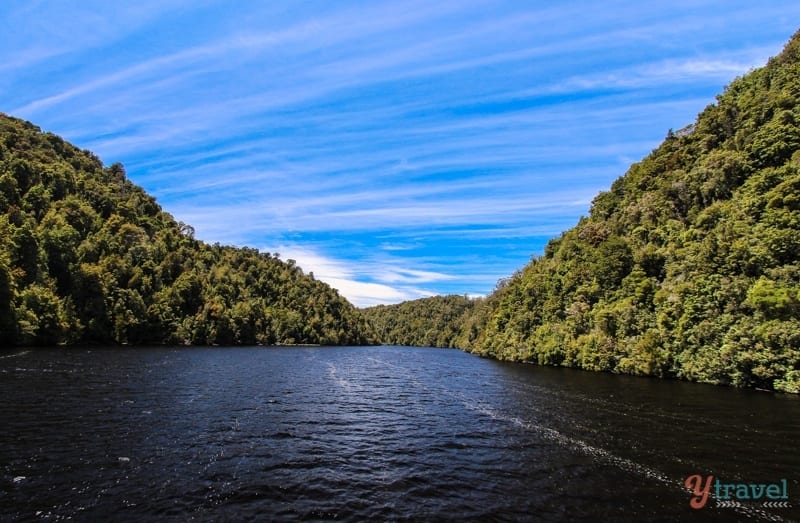
Not as many people visit the west coast of Tasmania, which makes the national parks here nice and quiet. If you do make the trek over West, be sure to stop by Wild Rivers National Park for a true wilderness experience.
Running through the heart of the Tasmanian wilderness, much of this park is remote and rugged, with dramatic mountain peaks, spectacular gorges, and world-famous rivers.
Our cruise down the Gordon River was a highlight of our visit to Wild Rivers National Park. It was a relaxing way to experience the natural beauty, as we’re normally hikers and prefer exploring on foot. Be sure to check out the sunset in the town of Strahan (which is featured on our list of sunset spots not to miss in Australia).
Some top things to see and do in the park are visit the waterfalls (Nelson Falls and Hogarth Falls), hike up to Surprise Valley Lookout or King William Saddle, or take the Franklin River Nature Trail.
Read about our World Heritage Gordon River Cruise experience here.
4. Wilsons Promontory National Park, Victoria
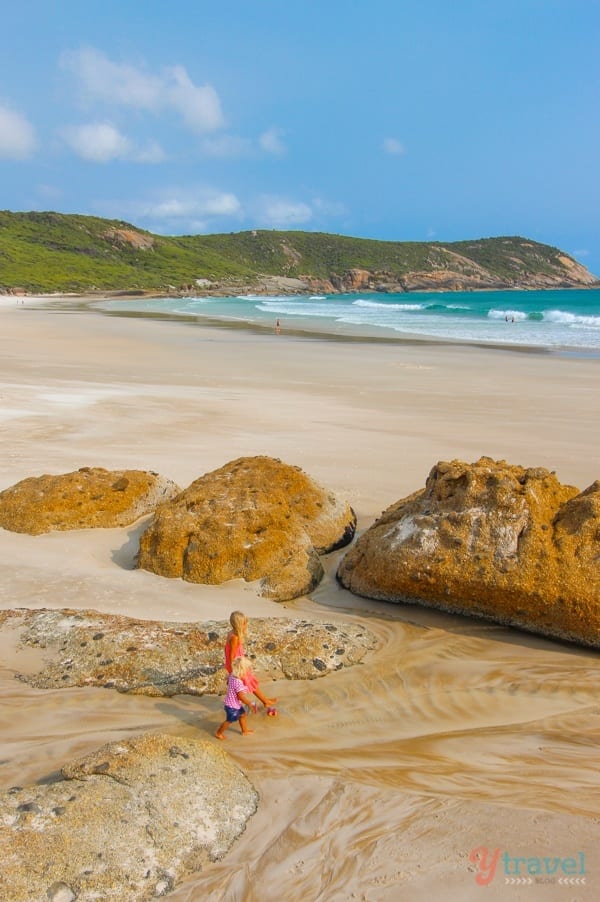
Victorians have kept Wilsons Prom, or The Prom, a secret for too long. We were blown away by this park and can’t believe it’s not promoted more. That being said, you must book way ahead as it’s hugely popular with bushwalkers and campers.
Just picture stunning vistas of pink granite boulder mountains, turquoise water, and squeaky-white sand and you’ll know why.
If you love beaches, you’ll love the gorgeous sands of Squeaky Beach (famous for the squeaky noise the sand makes as you walk on it), Norman Beach and Sealers Cove.
The hike up to the summit Mount Oberon is worth doing if you’re into hiking. It’s a 558 meter high granit peak with 360-degree views of the park. The hike is said to be moderate and not too challenging, and very scenic.
We loved our stay at Tidal River Campground in Wilsons Prom, where we were lucky enough to see wombats!
5. Grampians National Park, Victoria
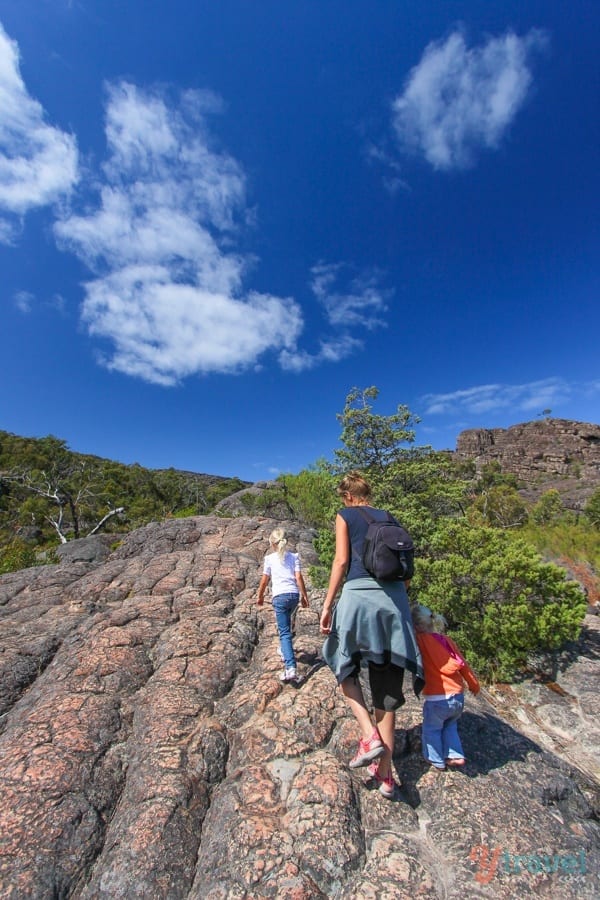
Commonly referred to as The Grampians, Grampians National Park is made up of a rugged mountain range located in Western Victoria and is renowned for its breathtaking rocky views, rich culture, stunning wildflower displays, bush walks, and rock climbing.
One of our favourite moments when hiking in The Grampians was when we conquered the summit of the 4km Pinnacle’s walk with our two young kiddies – they did so well.
Some other notable sites in the park are Reeds Lookout, Boroka Lookout, and MacKenzie Falls. You can also cycle from the town of Halls Gap to Lake Bellfield. Be sure to check out The Brambuk The National Park & Cultural Centre and eat and drink at Livefast Lifestyle Cafe.
Read more: The YHA Grampians Eco Hostel: An Honest Review
6. Great Otway National Park, Victoria
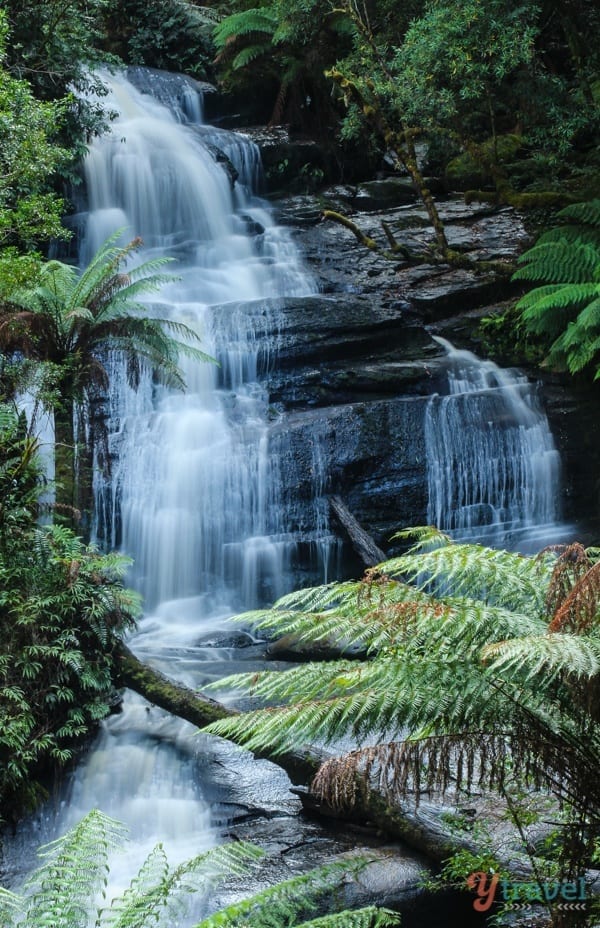
Also called The Otways, Great Otway National Park is one of the most popular stops along the Great Ocean Road in Victoria. It’s a diverse biological expanse, made up of windswept coastline, cool temperate rainforest, towering waterfalls, lush fern gullies and ancient forest.
It’s well worth stopping to walk through this ancient land and walk among tall trees and giant tree ferns – this stretch of road is not all about the coast! If you like rainforests, the Otway Fly Treetop Walk is a great scenic walk above the canopies of the forest. Melba Gully is also worth seeing.
Be sure to make a stop at Triplet Falls, look out for wild koalas in Kinnett River, along the Grey River Road, and visit the Cape Otway Lighthouse (the oldest lighthouse in Australia).
7. Port Campbell National Park, Victoria
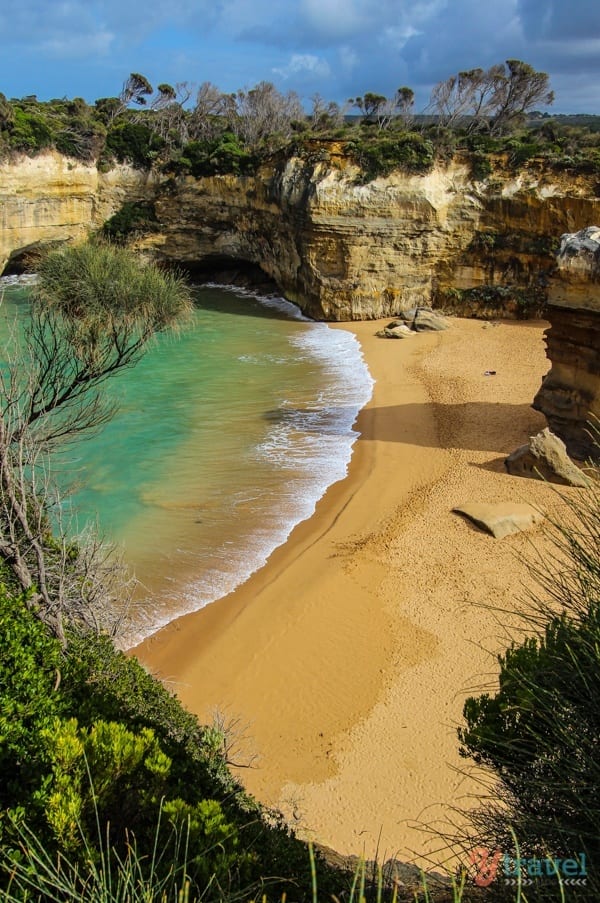
If you only have time to visit one national park along the Great Ocean Road, make it Port Campbell. This is where you can explore some the best attractions on the scenic road – amazing natural formations over the rugged coastline with cliff-top tracks, deep gorges, beach walks, and hear stories of shipwrecks along the way.
It’s accessed from the town of Port Campbell, which made maritime history after the 1878 Loch Ard shipwreck, one of the region’s most infamous sea tragedies; of 54 aboard, only two young survivors made it ashore near what is now called Loch Ard Gorge.
Port Campbell National Park also encompasses the Shipwreck Coast, named for the more than 80 vessels lost along its stretch of cliffs and surf. Another highlight of the park is the Twelve Apostles rock formations, the Gibson Steps, London Bridge Arch, The Grotto and The Arch.
Read our guide to the Great Ocean Road here.
8. Mount Kosciuszko National Park, New South Wales
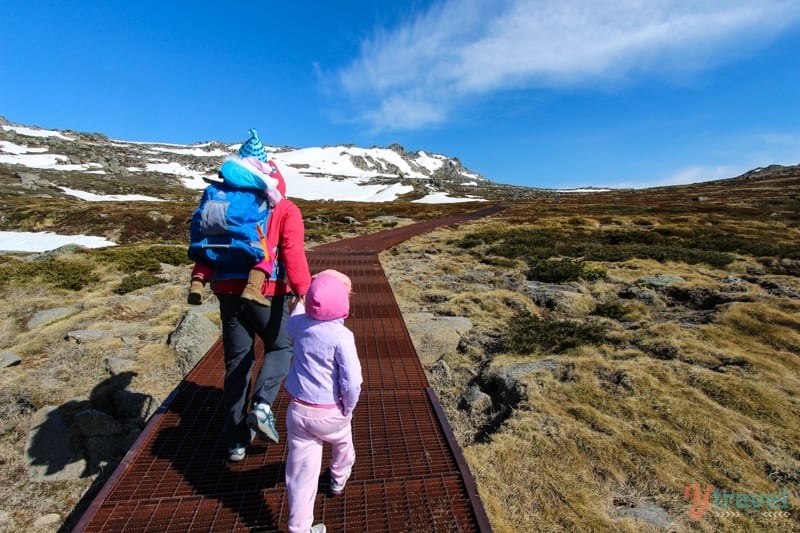
Known for housing Australia’s highest peak (2,228 metres), Kosciusko National Park in New South Wales is where you’ll find snow-capped peaks (yes, Australia has snow!) and amazing wildflower displays. Australia doesn’t have a lot of mountains, which makes this is a unique national park to visit.
If you do hike to the top of the peak, be sure to dress appropriately for the freezing windy weather – I speak from experience, lol.
Covering 690,000 hectares of vast, rugged high peaks, glacial lakes, snow gum woodlands home to the endangered corroboree frogs, and wildflower meadows, it’s the largest national park in NSW.
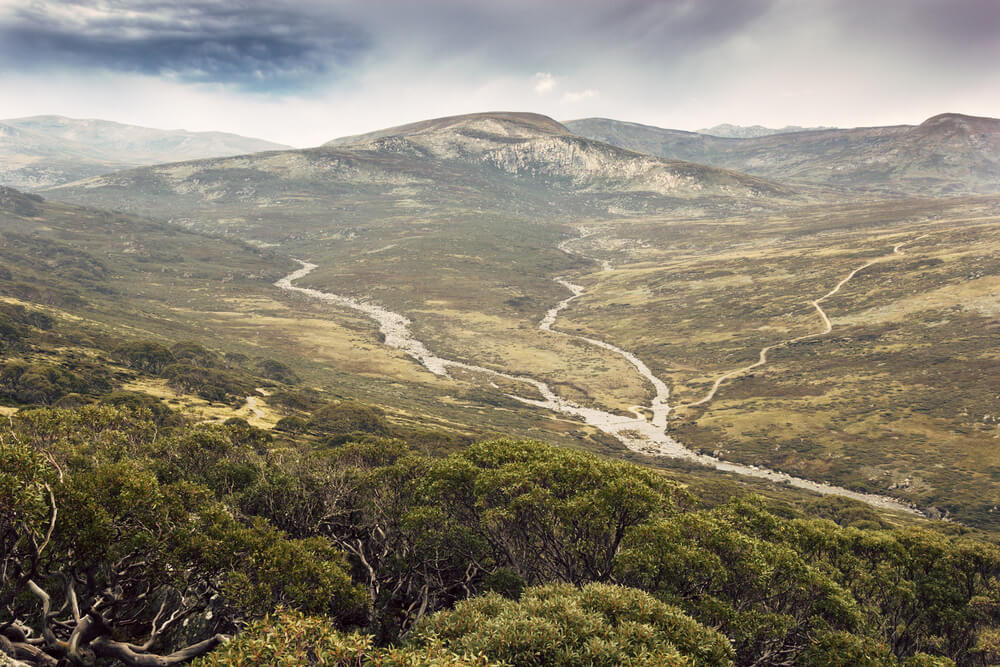
If snow sports and alpine skiing have you interested (yes, you can ski in Australia), then Mount Kosciuszko National Park is the place to do it. Mount Kosciuszko is well known for its skiing and snowboarding runs, Thredbo or Perisher, which open in the winter, and hiking and mountain biking trails in the summer.
If going up mountains is not your thing, how about going underground? Deep in the mountain is the underground Yarrangobilly Caves which have six spectacular caves open to the public. Alternatively, head to the lower snowy and upper Murray rivers where you can fish, paddle, or swim.
Read more: And whilst you’re there, why not explore The Snowy Mountains region.
9. Jervis Bay National Park, New South Wales
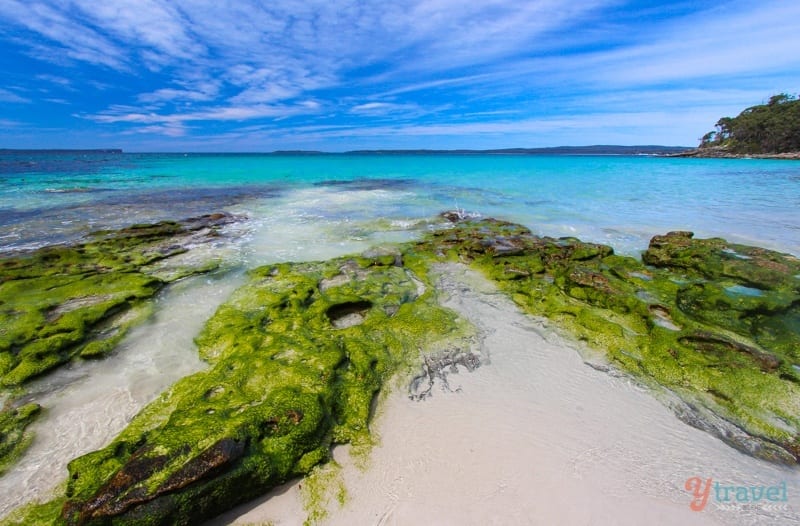
Normally, we’d head to the north coast of NSW when taking a break from Sydney, but on our road trip around Australia, we headed to the south coast for the first time and spent five days in the Jervis Bay region.
Jervis Bay National Park is a coastal paradise known for its turquoise waters, dazzling white sands and tranquil bushland. Famous for its world-renowned beaches, such as Hyams Beach, which reportedly has the whitest sand in the world, the sheltered waters of Jervis Bay are also a prime spot for whale watching – offering an exciting blend of natural beauty and wildlife encounters, all just a couple of hours’ drive south of Sydney.
We also enjoyed Greensfields Beach and the White Sands Walk when we visited the Jervis Bay National Park.
10. Booderee National Park, NSW
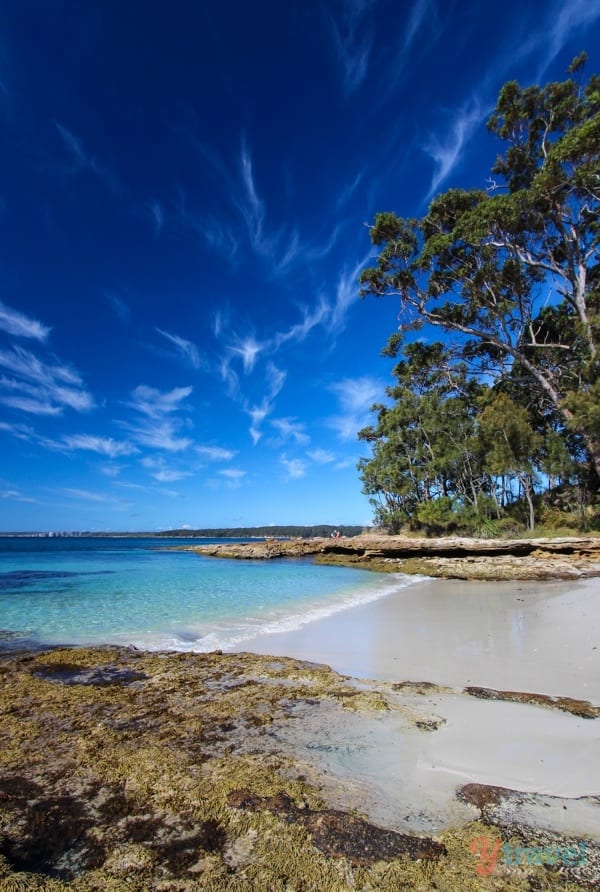
Just when you think Jervis Bay is beautiful, around the corner from Jervis is this gem of a park called Booderee National Park. Very popular with the locals because of its unspoiled beaches and great camping, but I’m suspecting not well known around the country – we’d certainly never heard of it previously.
This national park blew us away. The name Booderee comes from the local Dhurga language, meaning “bay of plenty” or “plenty of fish” — a fitting description for a place abundant in natural beauty and biodiversity.
We especially liked seeing Murrays Beach and the Cape St George Lighthouse ruins. Be sure to check out the Scottish Rocks (a great spot for snorkelling) and camp at Greenpatch Beach.
11. Murramarang National Park, NSW
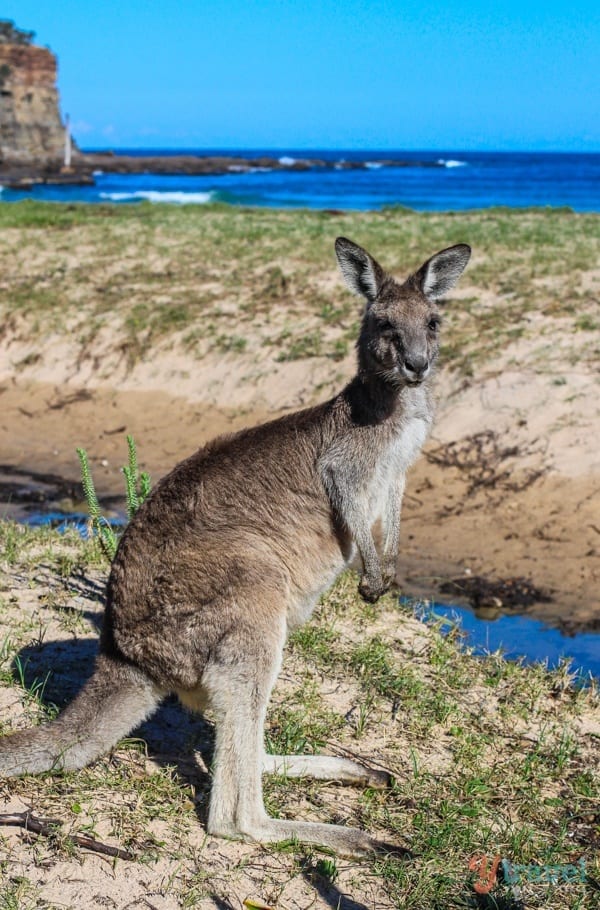
Murramarang is 200km south of Sydney and is famous for its wild kangaroos hopping about on the beaches. They even hang out in front of your cabins and tent sites like well-trained pets, which was a thrill for our kids. It’s one of the best places to see wild kangaroos in Australia.
Stretching along 44 km of wild south-coast shoreline between Batemans Bay and Ulladulla, Murramarang National Park is coastal wilderness made up of spotted gum forests, sandy beaches, rugged headlands, and crystalline ocean waters.
Murramarang National Park offers great swimming and surfing spot, and bush walking. Plus the cliffs and headland walks are a must.
When visiting the park, be sure to check out Pretty Beach, Pebbly Beach, Depot Beach, and Durras Beach. We enjoyed the scenic walk from Pretty Beach to Merry Beach and staying at Pretty Beach cabins.
12. Blue Mountains National Park, NSW
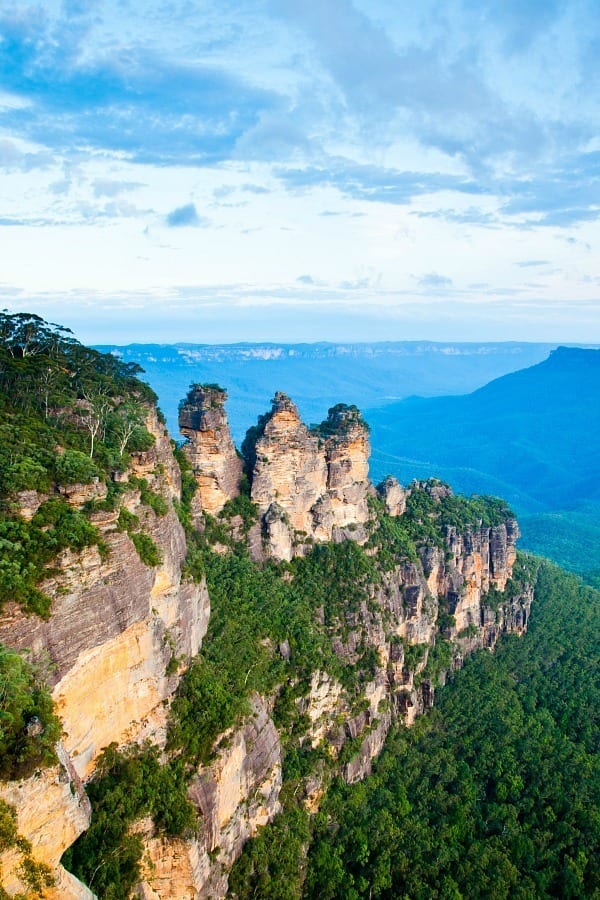
You’ve probably heard of the Three Sisters in the Blue Mountains, a rock formation with a tragic folklore tale, but the Blue Mountains have a depth greater than these impressive rock formations. Being so close to Sydney, it’s one of the most popular national parks in Australia to visit as you can be there and back in a day.
There are waterfalls and rainforests, a wide variety of bushwalking tracks, adventure and rejuvenation, unbelievably good local produce, world-class cafes, cosy pubs, and restaurants.
It’s a nature lover’s and foodie’s paradise. Not to mention there are some historic landmarks and aboriginal bushwalks to take here, too. When visiting the park, be sure to hike the National Pass Trail, Grand Canyon Walk and visit the Echo Point Lookout. Be sure to check out the small town of Leura.
Another main attraction in the national park is The Scenic Railway, the world’s steepest railway, which passes many of the most beautiful spots. For those who love adventure, you can try abseiling or rock climbing, and visit the stunning Wentworth Falls.
13. Royal National Park, NSW
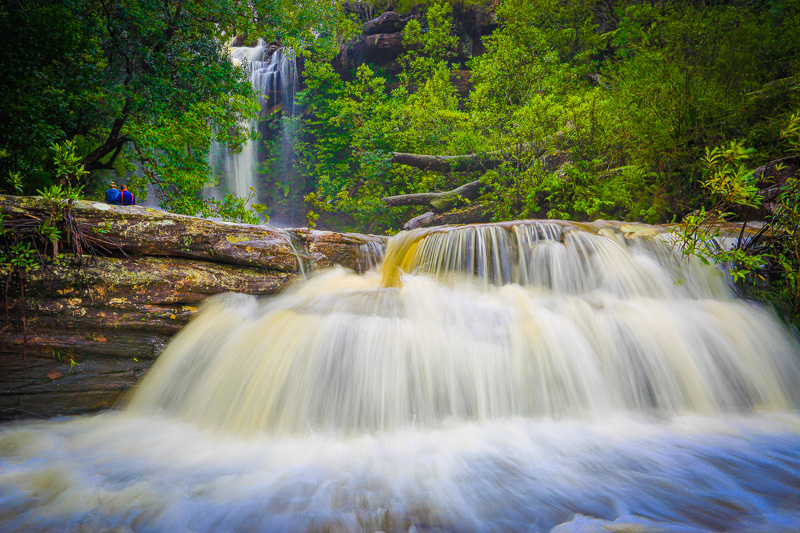
Did you know that the Royal National Park is Australia’s oldest National Park and the second oldest in the world behind Yellowstone? We didn’t either until we visited.
Situated just one hour south of Sydney, the park’s diversity is seen in its coastal cliffs, sandy beaches, mountainous sandstone ridges, and deep river valleys.
It’s a scenic park with incredible views and nature spots and offers a breath of fresh air from the busy city of Sydney, but accessible enough to visit on a day trip. Be sure to do the moonwalk and visit Wattamolla Beach when you visit.
14. Burleigh Head National Park, Queensland
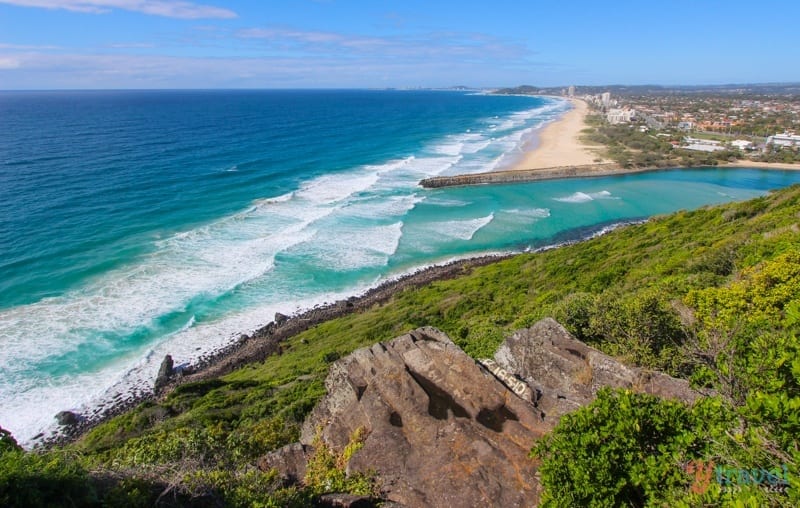
Burleigh Heads is one of our favourite spots on the Gold Coast, and we are so glad we decided to venture into the national park. It’s a small park, but a popular place for hiking, walking, and jogging because it provides great views of the ocean and beaches.
The coastal walk, combined with part of the rainforest circuit, is about 2.5 km. It’s not difficult as both of our young kids walked most of the way. Plus, if you’re lucky, you can see wild koalas sleeping in the trees here.
If you’re interested in doing some coastal walks, then be sure to check out the Ocean View Circuit, and if you prefer places to sit and enjoy the nature, check out Echo Beach, Tallebudgera Creek, and Tumgun Lookout.
15. Noosa National Park, Queensland

The town of Noosa is a popular high-end travel destination on the Sunshine Coast, and is located 1.5 hours drive north of Brisbane. It has a lively calendar of events and beautiful people, but for us, the beauty lies in the National Park that hugs the headland.
It offers a fusion of coastal landscapes, lush bushland, and wildlife — all within easy reach of the chic seaside village of Noosa Heads. It’s one of Australia’s most visited national parks because it’s so accessible, and it’s also one of the few places you can see wild koalas sleeping in the trees.
Some top things to see and do are walk the coastal walk from town to Sunshine Beach, hike up to Noosa Hill, and take the track to Hell’s Gate.
Read More: Things to Do in Noosa, Queensland
16. Great Sandy National Park, Queensland
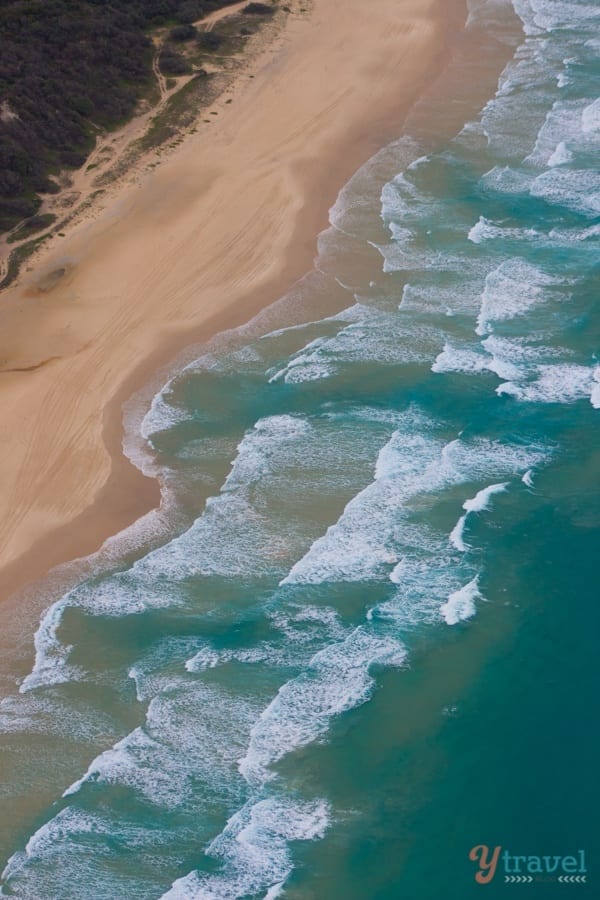
This Great Sandy National Park in Queensland is divided into two sections; the Cooloola section between Noosa Heads in the south and Rainbow Beach in the north, and then there’s the incredible K’gari (Fraser Island) section.
K’Gari, also known as Fraser Island, is the world’s largest sand island and one of Queensland’s natural icons. If 4wd is your thing, you’ll love Fraser!
It’s also a great place to see humpback whales during their migration season, as they often swim close to the shoreline.
Some top things to see and do are to drive along the iconic 75 Mile Beach, stopping off at Lake Mackenzie, Eli Creek, the famous Maheno Shipwreck, The Pinnacles and Rainbow Beach.
17. Daintree National Park, Queensland

At 110 million years old, The Daintree Rainforest pre-dates the Amazon and the dinosaurs, and is the oldest living rainforest on the planet.
The Daintree and Cape Tribulation – a headland located within the national park – look anything but tattered and old. In 1988, the rainforest became a World Heritage Site and it’s the only place in the world where two World Heritage areas meet, the Daintree Rainforest and the Great Barrier Reef.
Some top things to see and do are take a Dreamtime walk of the Mossman Gorge, visit Daintree village and Daintree Discovery Centre, and try spearfishing at Cooya Beach.
Be sure to check out Cape Tribulation and Cape Kimberley. For scenic views, head up to Alexandra Lookout and cool off at Mason’s Cafe and swimming hole.
18. Great Barrier Reef, Queensland
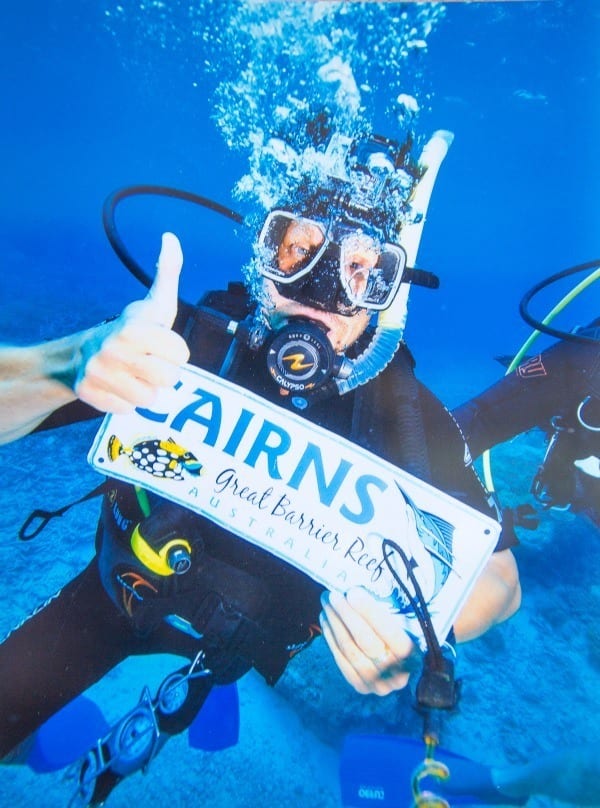
Although not a national park but a Marine Park, the Great Barrier Reef is one of Australia’s natural icons and World Heritage-listed sites, so it deserves a spot on this list. Stretching 2,300 km long with over 900 islands, it simply cannot be missed.
Cairns is the main gateway to the barrier reef, but there are many access points along the Queensland coast from Port Douglas in the north down to Lady Elliot Island in the south.
If you don’t want to dive, you can go snorkeling or take a glass-bottom boat tour. One of our favorite things to do on the barrier reef is to take a scenic helicopter flight over the coral reefs, which is the best way to see its size and enormity.
See tours of the Great Barrier Reef here:
19. Boodjamulla National Park, Queensland
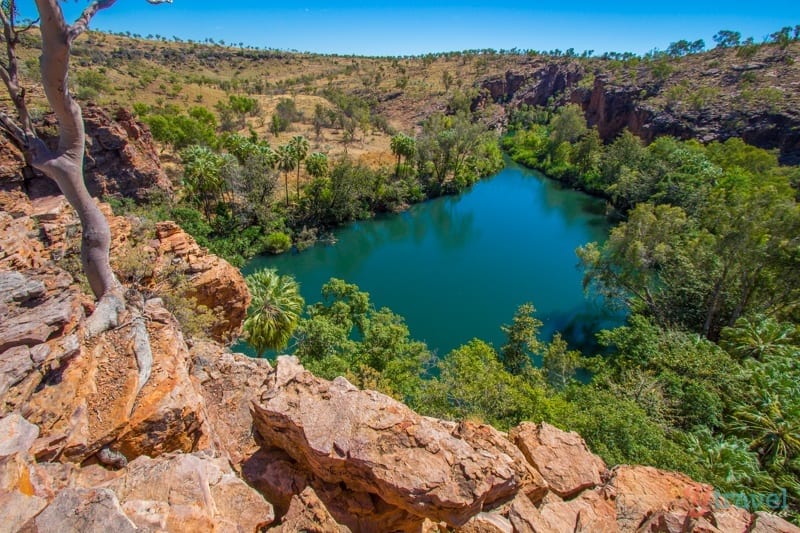
We think Boodjamulla National Park is Queensland’s best kept secret, but maybe not for much longer. Boodjamulla (Lawn Hill) is found along the Savannah Way Drive in Outback North Queensland. It’s one of the last places on the drive before you hit the Northern Territory.
It’s an emerald green oasis in semi-arid land with a beautiful gorge, numerous hiking trails and bush walks, and camping sites. Many people visit the park for its dramatic gorges, and we loved canoeing on the Lower and Upper Gorge, and walking up to the Upper Gorge lookout.
Indarri Falls and Adels Grove were also worth visiting. If you want to go camping, you can! Just make sure you book a campsite ahead of your trip.
20. Undara Volcanic National Park, Queensland
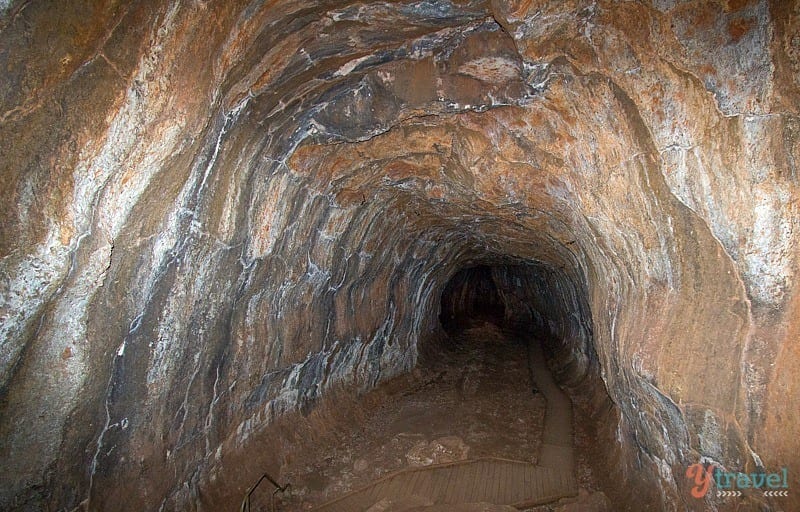
Undara was one of the most fascinating places we visited on our road trip through Queensland. I didn’t even know Australia had much volcanic history until visiting Undara Lava Tubes.
This national park is also located along Savannah Way Drive, heading west from Cairns in North Queensland.
Undara is the aboriginal name, meaning ‘long way’, which possibly refers to the fact that the park has the longest lava tubes in the world. The volcanic caves and tubes here are more than 190,000 years old, which you would never be able to tell since they lie under a landscape of dry rainforest and grasses.
Some of the top things to do in the park are to walk to the rim of Kalkani Crater, take a sunset tour to spot some wildlife, and of course, explore the Lava Tubes. You can also stay in a railway carriage, which is quite a unique experience.
21. Whitsunday Islands National Park, Queensland
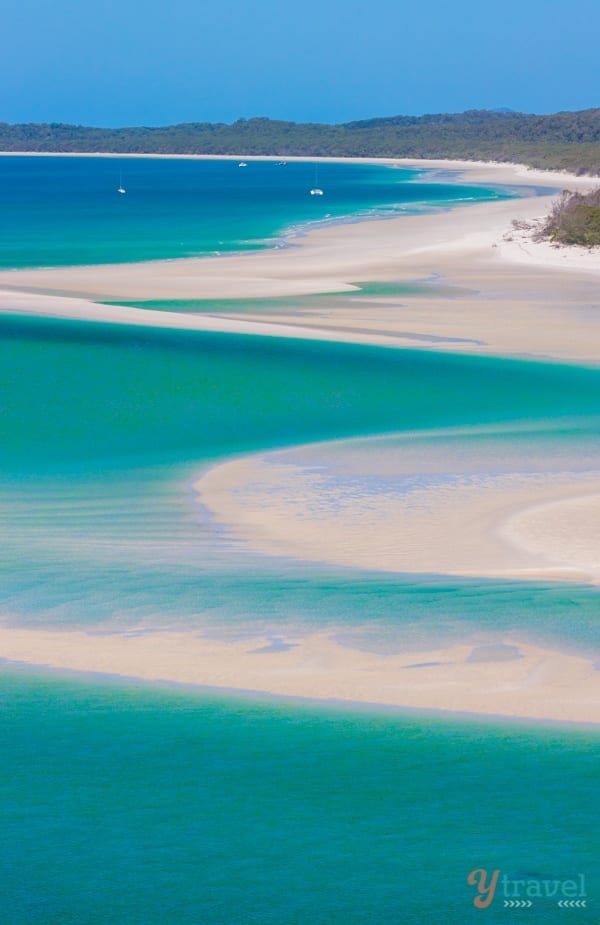
Looking for paradise? Then head to the stunning Whitsundays National Park, home to 74 islands called The Whitsunday Islands. These islands are boarded by the Great Barrier Reef and the Coral Sea midway along the Queensland coast.
If you love stunning beaches with soft white sand, island life, and any water sport you can imagine, go here! If you’re a fan of diving and snorkeling with marine life, this is one of the best places to do it. You can see turtles and manta rays, and maybe even sharks!
Make sure you visit the world-famous Whitehaven Beach and Airlie Beach. Cedar Creek Falls are also worth checking out. A great place to stay in the park is on Daydream Island or Hayman Island Resort, where you can book tours to go sailing, take a scenic flight, or snorkel at Manta Ray Bay.
22. Carnarvon National Park, Queensland
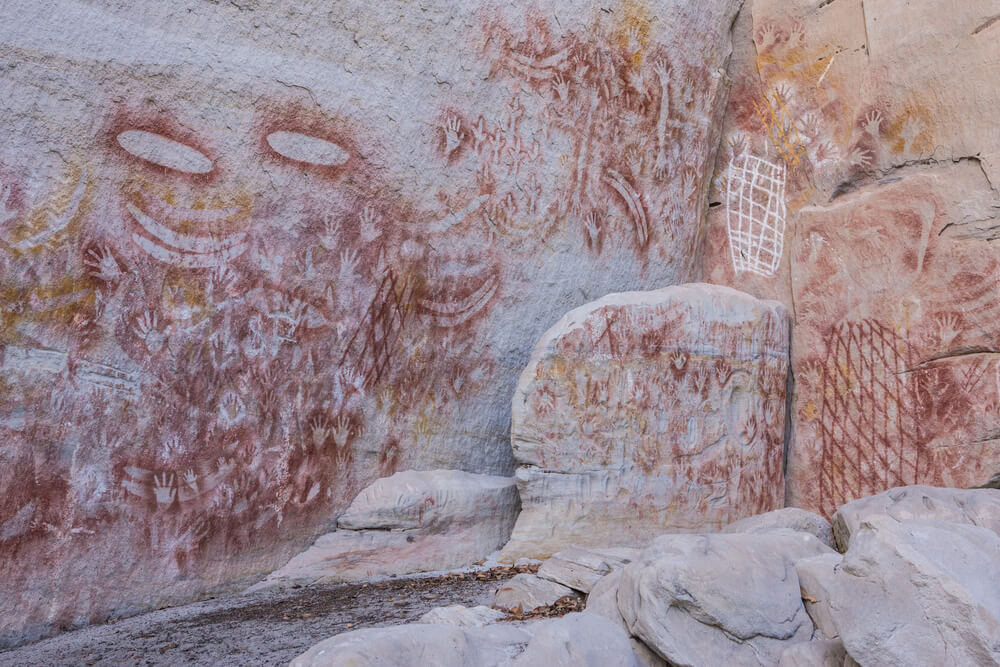
In the Central Queensland Highlands, Carnarvon National Park is a wilderness made up of towering sandstone cliffs, lush gorges and ancient rock art. It’s heart is the Carnarvon Gorge, which is a canyon filled with a deep, flowing river that acts as an unexpected oasis amid dry ranges.
Some of the best things to do in the park are walk along Carnarvon Creek to the Amphitheatre (a soaring, echoing cliff chamber) and the Moss Garden. For those who want to see ancient rock art, The Art Gallery walk leads to a 62-metre stretch of rock wall adorned with thousands of stencils and engravings. Afterwards, cool off in the Rock Pool, a designated swimming spot in the gorge.
23. Nitmiluk National Park, Northern Territory
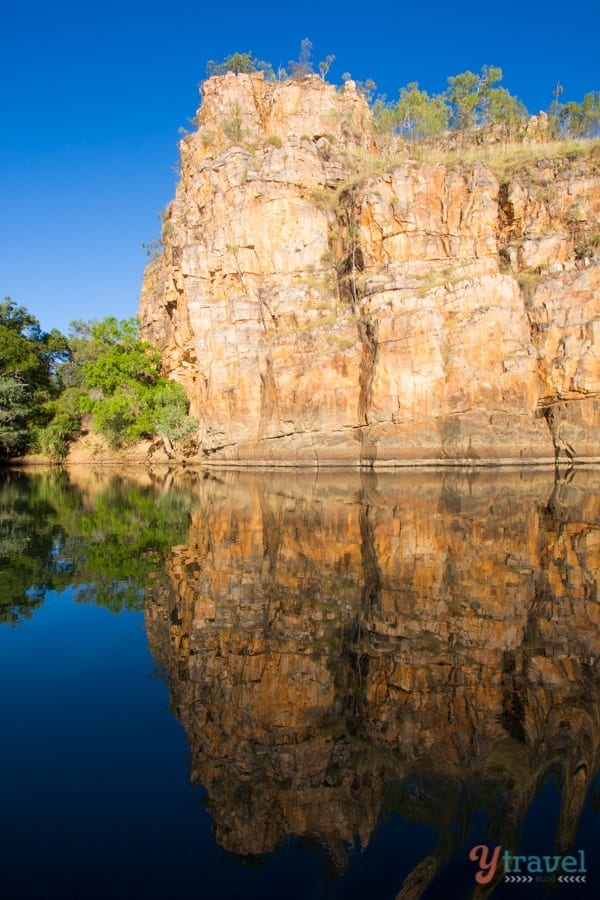
Previously named Katherine Gorge, Nitmiluk National Park is about a 5-hour drive from Darwin in the Northern Territory. It’s made up of thirteen gorges carved through ancient sandstone by the Katherine River, which have great ceremonial significance to the local Jawoyn people, who are custodians of Nitmiluk National Park.
One of the most popular things to do in the national park is to go kayaking down the River Katherine and into Katherine Gorge. If you can get up early, we highly recommend taking the sunrise cruise in Katherine Gorge. If you go at sunset, you might be lucky to see some fruit bats. Walk to Barrawei Lookout for some incredible views, and lie back and stargaze whilst staying at Nitmiluk Caravan Park. Bliss!
24. Kakadu National Park, Northern Territory
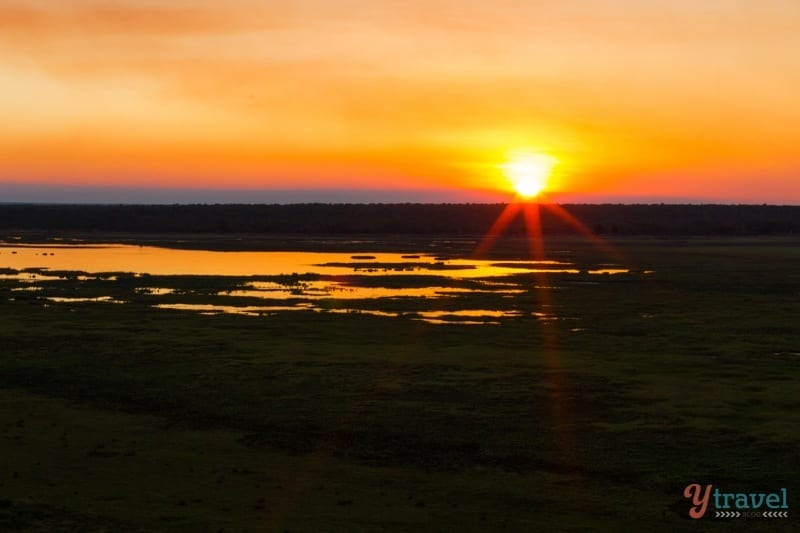
Ahh, the wonders of Kakadu National Park. Not only is it Australia’s largest national park and famous for its crocodile population, but it’s one of the best places in Australia to see aboriginal rock art.
From wetlands to sandstone escarpments, waterfalls, swimming holes, billabongs, rivers, and wildlife – it teems with abundance and an ancient mysticism urging you to explore its changing landscapes.
Some top things to see and do are visit Gunlom Falls, Barramundi Gorge, Twin Falls, and Jim Jim Falls. You should also make sure to learn about aborigines at Nourlangie Rock Art and also head up to the Nourlangie Lookout for sunset. Another great sunset viewpoint is at the Nardab Lookout, Ubirr.
If you want to see the saltwater crocs in their natural habitat, consider taking a Yellow Water Billabong Cruise.
25. Litchfield National Park, Northern Territory
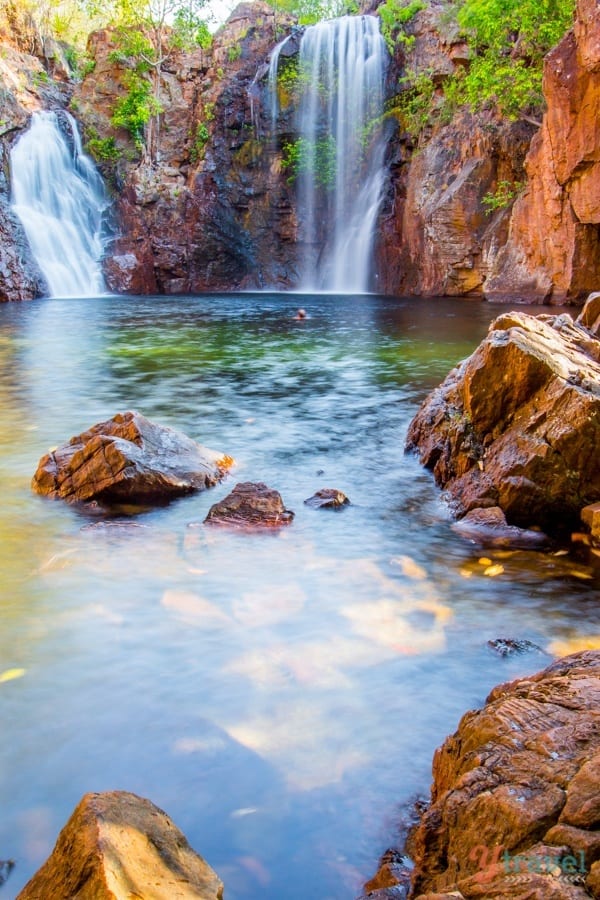
Litchfield National Park is just over an hour’s drive from Darwin, which makes it a popular spot for a day trip or even a weekend getaway from the city.
The highlight of this park is its many beautiful waterfalls and swimming holes. Some of the most popular are Florence Falls, Buley Rockhole, Wangi Falls, and Walker Creek.
You can also see a unique phenomenon here; magnetic termite mounds. Yes, magnetic! You have to see them to believe it. There are some nice walking tracks and biking trails. There are some roads that require a 4WD, but you enter the park with a normal vehicle.
26. Karijini National Park, Western Australia

We spent five amazing days exploring Karijini National Park and it’s probably our favourite national park because of its incredible swimming holes. The park is full of hiking trails and walks, leading you through mesmerizing gorges and swimming holes.
Some of our favourite spots in the park were Dales Gorge, Kalamina Gorge, Weano Gorge, Knox Gorge, and Hamersley Gorge. We highly recommend you do the walks for each of the gorges too, not just visit the swimming holes.
27. Nambung National Park, Western Australia
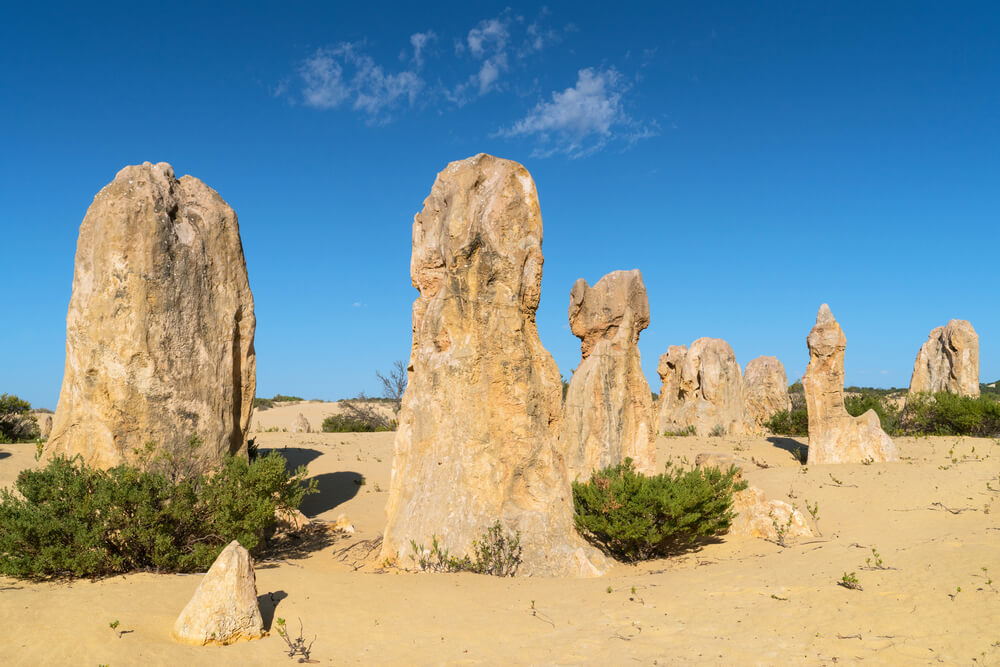
Nambung National Park is a unique desert landscape in Western Australia, just a couple hour’s drive south of Perth on the Coral Coast. Within the park is The Pinnacles Desert, which is the most well-known part of the park. The desert is surrounded by white sand dunes and coastal plains, as well as some great beaches for swimming.
Lake Thetis is another beautiful part of the park which has an easy boardwalk trail around its perimeter. Next to the lake, you can see stromatolites, which are sort of cave-like formations protruding out of the earth. They are such a unique site to witness and definitely a highlight of visiting this Aussie national park.
28. Uluru-Kata Tjuta National Park, Northern Territory
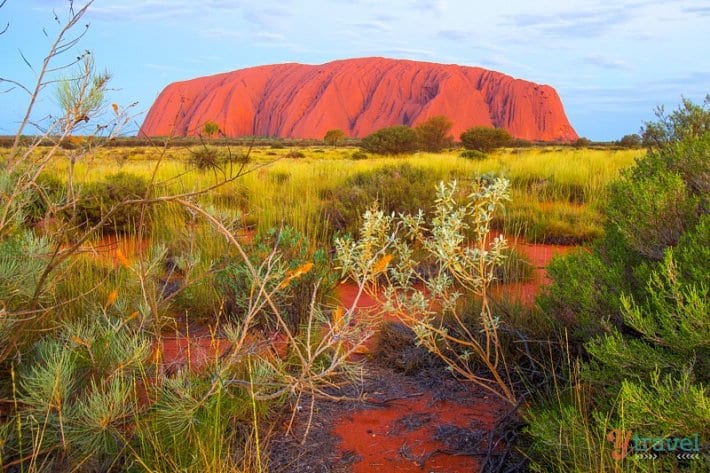
Most people around the world have heard of Ayres Rock – it’s one of the most iconic landmarks in Australia and the most sacred site for the aboriginal people. This iconic monument is located in Uluru-Kata Tjuta National Park, which is probably the most famous national park in Australia, known for its red desert landscape.
Uluru-Kata Tjuta is home to several sites not just Ayres Rock. The area around the park is teaming with iconic bright red rock formations, diverse plants and flora, and ancient aboriginal rock art. You can walk around the base of Ayres Rock, see the domes of Kata Tjuta and feel the soothing sounds of the desert.
One thing to note when visiting this park is to stay on the trails at all times, otherwise, you may disturb some desert wildlife such as snakes and scorpions!
29. Purnululu National Park, Northern Territory
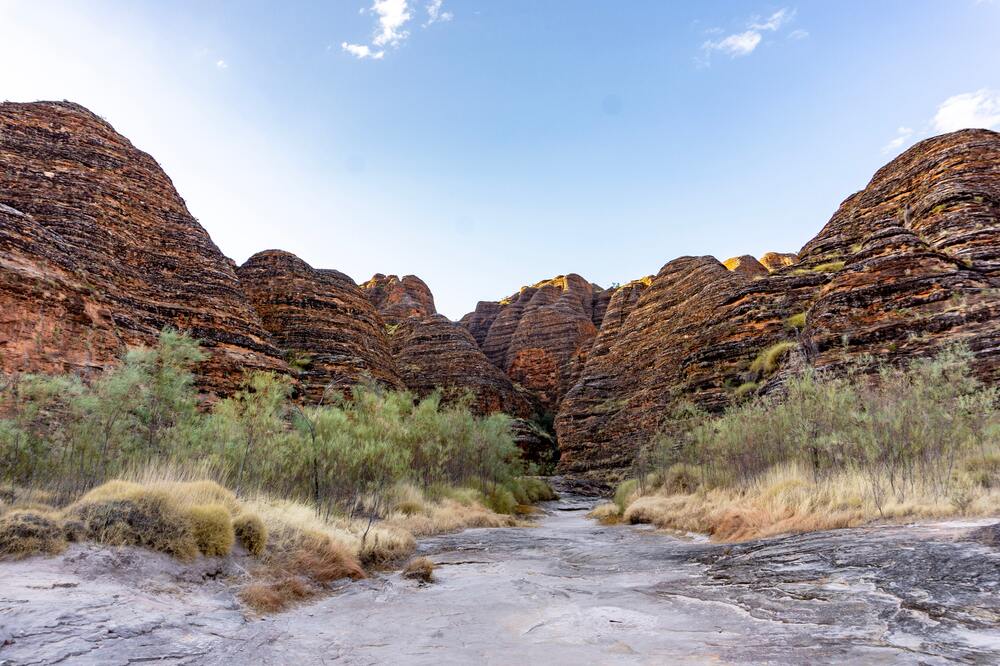
Located in the Bungle Bungle Range, in the Kimberley region of Australia, is the stunning Purnululu National Park, a UNESCO World Heritage Site.
It’s famous for its rock formations, which are these incredible beehive-shaped orange and black mountains made with Devonian-age quartz sandstone that rise for 300 meters above the ground. As well as these rocks, you’ll find plenty of waterfalls, hiking trails, some native plants and fauna, and stunning views from the cliff tops.
It’s also another fascinating national park with aboriginal roots, dating back 40,000 years. The park has more than 200 sites with rock art or aboriginal burial grounds. You will need a 4WD vehicle to explore this park as the terrain is pretty rough.
30. Ikara-Flinders Ranges National Park, South Australia
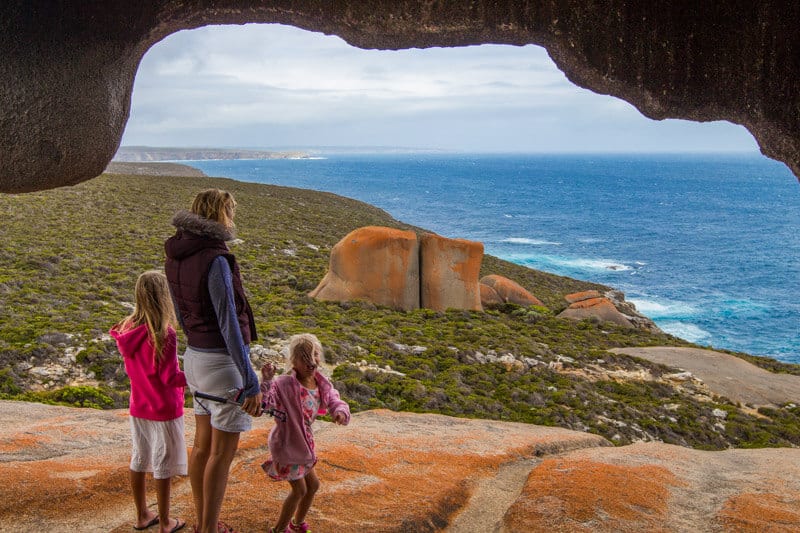
Set in the dramatic heart of South Australia’s outback, Ikara-Flinders Ranges National Park is an ancient landscape of craggy ridges, deep gorges, red plains and crimson cliffs.
It’s core is Ikara (Wilpena Pound), a vast natural amphitheatre of rugged quartzite peaks and sweeping valleys, which were formed hundreds of millions of years.
Home to amazing ancient rock art at sites such as Arkaroo Rock and Sacred Canyon, as well as caves and fossils. Drive the scenic Brachina Gorge Geological Trail to get a close up view of this ancient rocky landscape.
More Australia Travel Tips
Are you thinking of exploring more of Australia? Then you might find the following resources helpful!
Pin To Save It On Pinterest
What National Parks in Australia would you like to visit? Let us know in the comments!
Original Article on yTravel Blog